Beyond the Steering Wheel: How ADAS Data Collection Is Shaping the Future of AI
How multi-sensor ADAS data collection, spanning road images, driving videos, radar, LiDAR, and in-cabin voice commands, trains smarter, safer automotive AI systems.

The automotive industry is changing quickly. Modern vehicles are becoming smarter with features that can detect nearby objects, warn drivers about possible dangers, and help prevent accidents. These technologies are made possible by Advanced Driver Assistance Systems (ADAS) and Artificial Intelligence (AI). AI models need large amounts of useful data to learn how to recognise objects and respond to different situations: making ADAS data collection a foundational pillar in the development of smarter and safer vehicles.
DaQube.ai supports automotive AI and machine learning development through tailored data collection, 2D/3D image and video annotation, in-cabin speech capture, and structured dataset preparation.
What Is ADAS Data Collection & Why It Matters
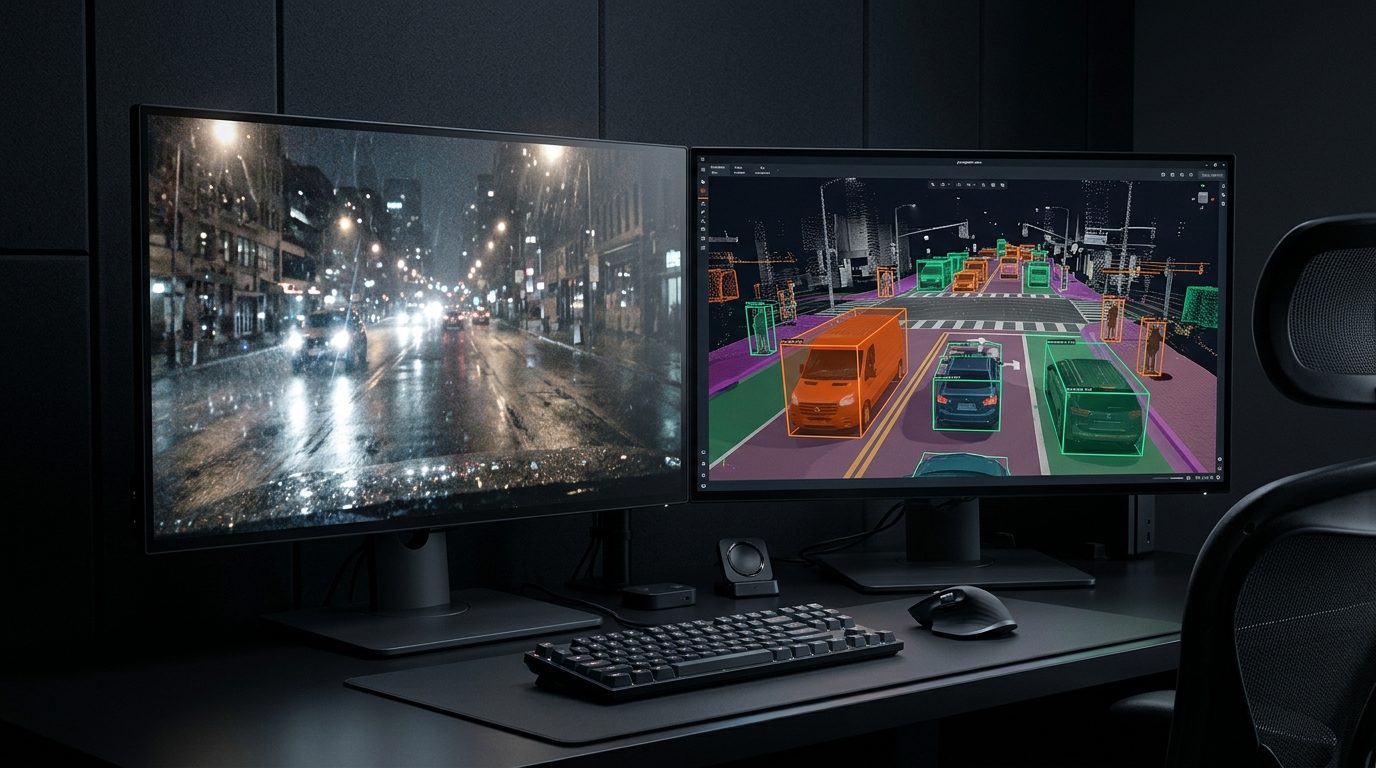
Advanced Driver Assistance Systems (ADAS): including lane departure warnings, parking assistance, collision alerts, automatic emergency braking, and traffic sign recognition: use cameras, radar, LiDAR, and in-cabin microphones to perceive the vehicle's surroundings. Before this raw sensor stream can train reliable machine learning models, it must capture diverse weather, lighting, and traffic conditions and be accurately labelled, organised, checked, and prepared according to strict project requirements.

How ADAS Data Collection Supports AI Development
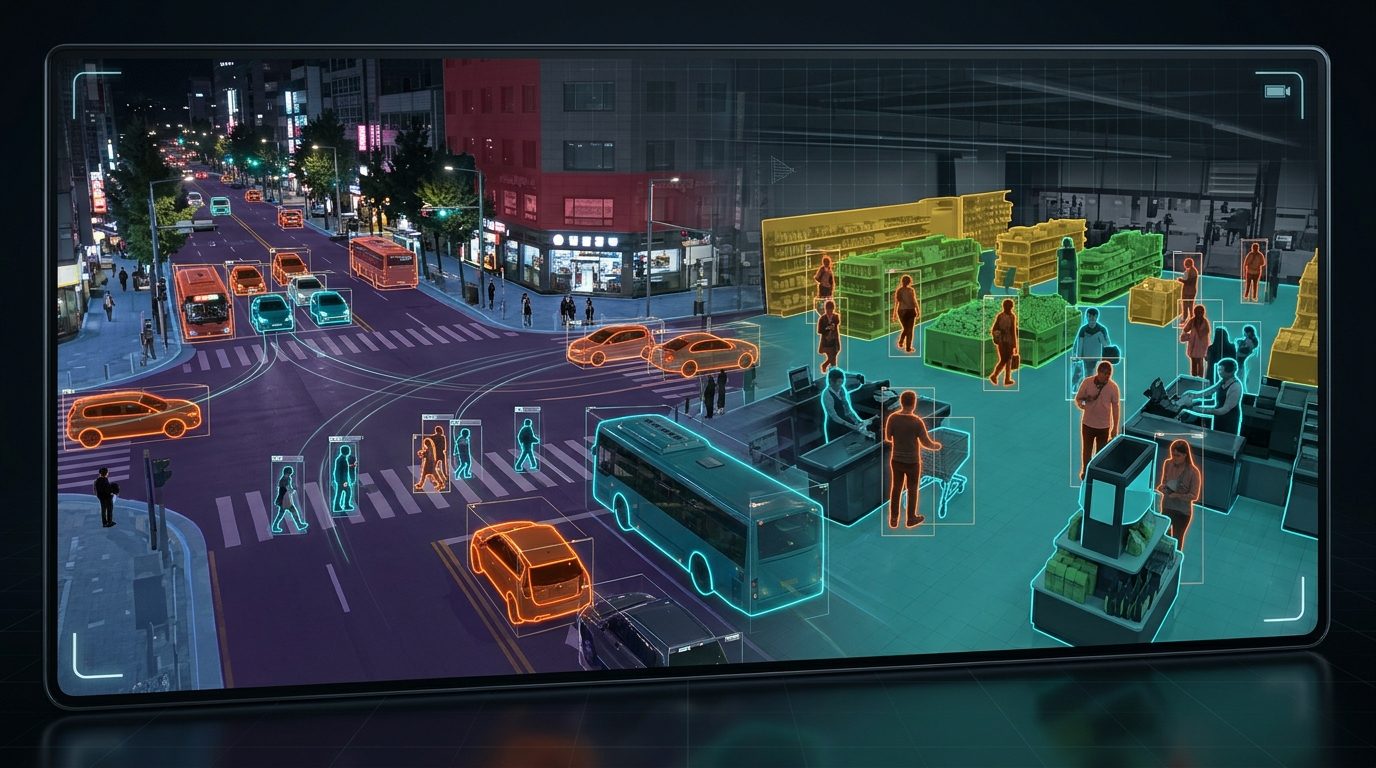
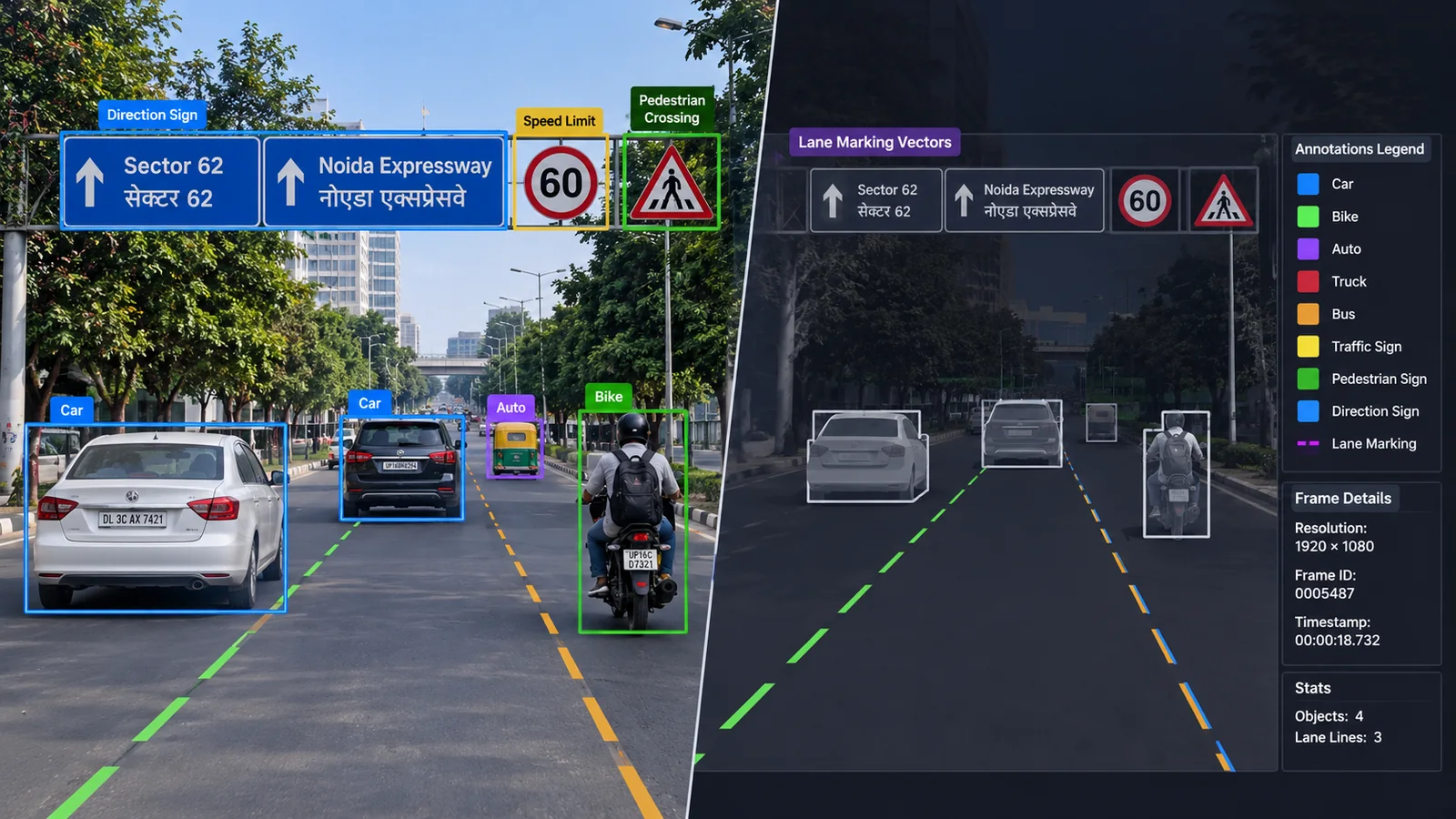
Helping Machine Learning Models Learn: Training models on labelled road images, driving videos, and sensor readings of cars, bikes, pedestrians, traffic lights, and road signs so they accurately identify objects in unseen driving scenes.
Supporting Road Safety: Training AI systems to recognise hazards, vehicles moving too close, pedestrians crossing, or obstacles blocking the driving path, across rain, fog, low light, and busy urban roads to power collision warnings and emergency braking.
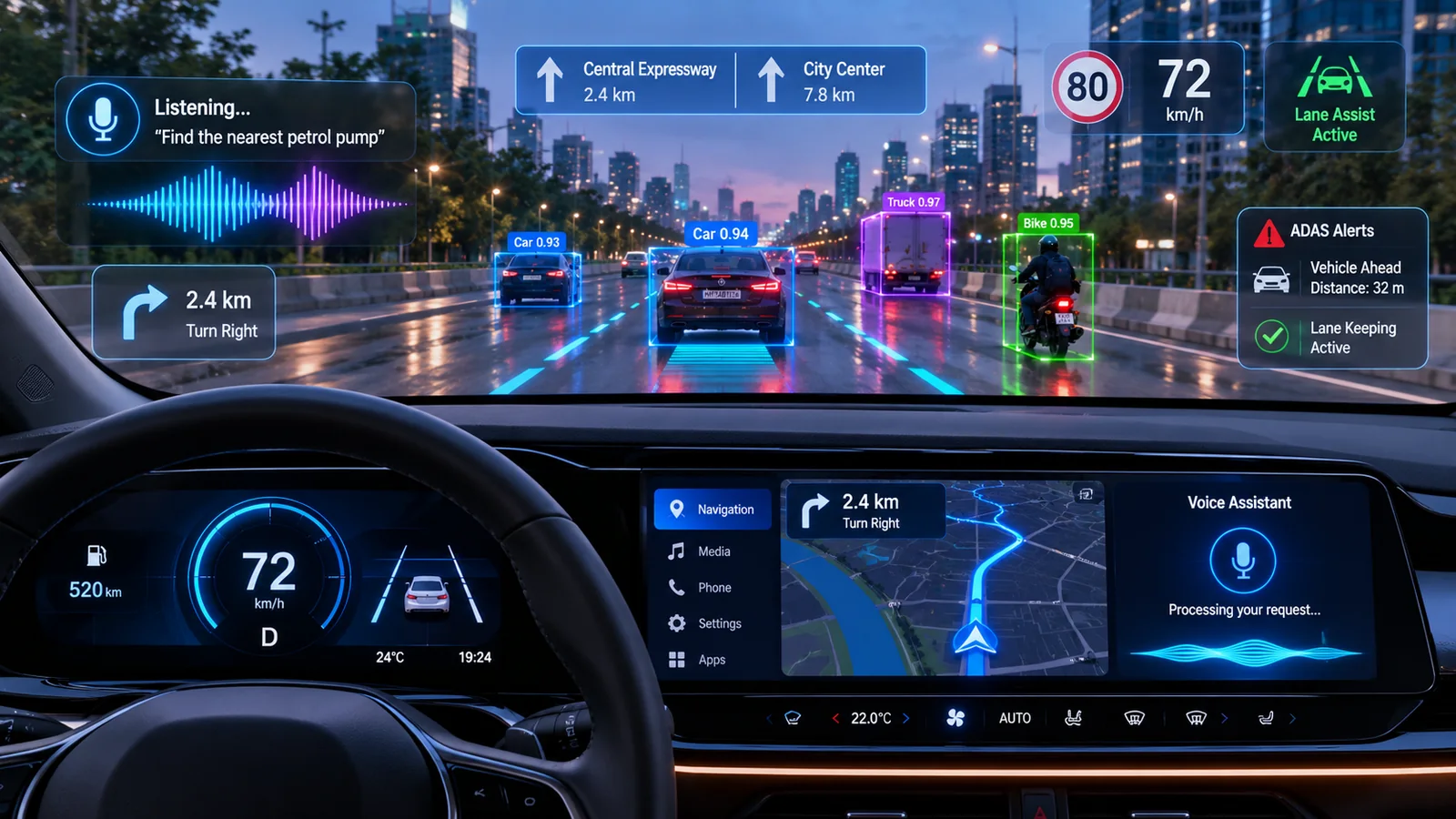
Improving the Driving Experience: Supporting comfort and convenience features like parking assistance, adaptive cruise control, lane keeping assistance, and personalised driver settings (seat position, temperature, entertainment).
Integrating Audio and Speech Data in ADAS: Collecting diverse voice recordings across accents, speaking styles, background road/cabin noise, and common commands so drivers can control navigation, calls, and settings hands-free.
ADAS Sensor & Modality Coverage Matrix
| Data Modality | Primary ADAS Function | DaQube Preparation & QA |
|---|---|---|
| Road Images & Video | Lane keeping, traffic sign recognition, object detection | 2D/3D bounding boxes, lane polylines, frame tracking |
| Radar & LiDAR Sensors | Distance estimation, collision alerts, emergency braking | Point-cloud calibration, 3D cuboids, occlusion checks |
| In-Cabin Voice & Audio | Hands-free navigation, calls, cabin climate & media control | Multi-accent speech collection, noise tagging, transcription |
| Driver Behaviour & Prefs | Adaptive cruise, personalised seat/temp/infotainment | Session metadata organisation and privacy-checked logging |
The Role of Audio and Speech Data in Modern Vehicles
When we talk about ADAS data, images and sensor information often get the most attention. However, audio and speech data also play an important role in modern vehicles. Many vehicles now support voice commands that allow drivers to control navigation, make calls, adjust settings, or interact with entertainment systems without using their hands.
To develop these features, AI models need suitable speech and audio data for training. Voice recordings help models understand different accents, speaking styles, background noise, and common commands. At DaQube.ai, audio and speech data collection is planned alongside visual and sensor requirements for projects that involve multiple types of information.
Deterministic Milestones from Ingestion to Handoff
Data Collection Based on Project Needs (Images, Video, Audio, Sensors)
Image & Video Annotation (Vehicles, Pedestrians, Signs, Bounding Boxes)
Multi-Modal Data Integration (Combining Visual, Audio, Text & Sensor Streams)
Data Quality & Organisation (Clear Guidelines, Audits & Quality Checks)
Custom Dataset Delivery (Formatted to Project Goals & Pipeline Specs)
Acceptance Criteria and Quality Verification
Technical & Operational FAQs
What types of data are collected for ADAS machine learning models?+
ADAS data collection includes road images and driving videos, information about nearby vehicles and pedestrians, traffic signs and road markings, lane markings and road conditions, vehicle movement and sensor readings (cameras, radar, LiDAR), and driver voice commands and audio recordings.
Why is diverse weather and lighting coverage critical for ADAS?+
Road safety systems like collision warnings and automatic emergency braking must work reliably in real-world hazards. Training data must cover difficult conditions such as rain, fog, low light, and busy urban roads so models do not fail outside ideal daylight conditions.
How does DaQube.ai support both visual and audio requirements in automotive projects?+
DaQube.ai provides custom data collection across images, videos, audio, and text, paired with vehicle/pedestrian/sign annotation, speech recording across diverse accents and cabin noise environments, and strict dataset quality organisation.
Ready to build your custom dataset with DaQube.ai?
Speak directly with our AI data solutions team to scope data collection, annotation guidelines, sample pilots, and delivery timelines.