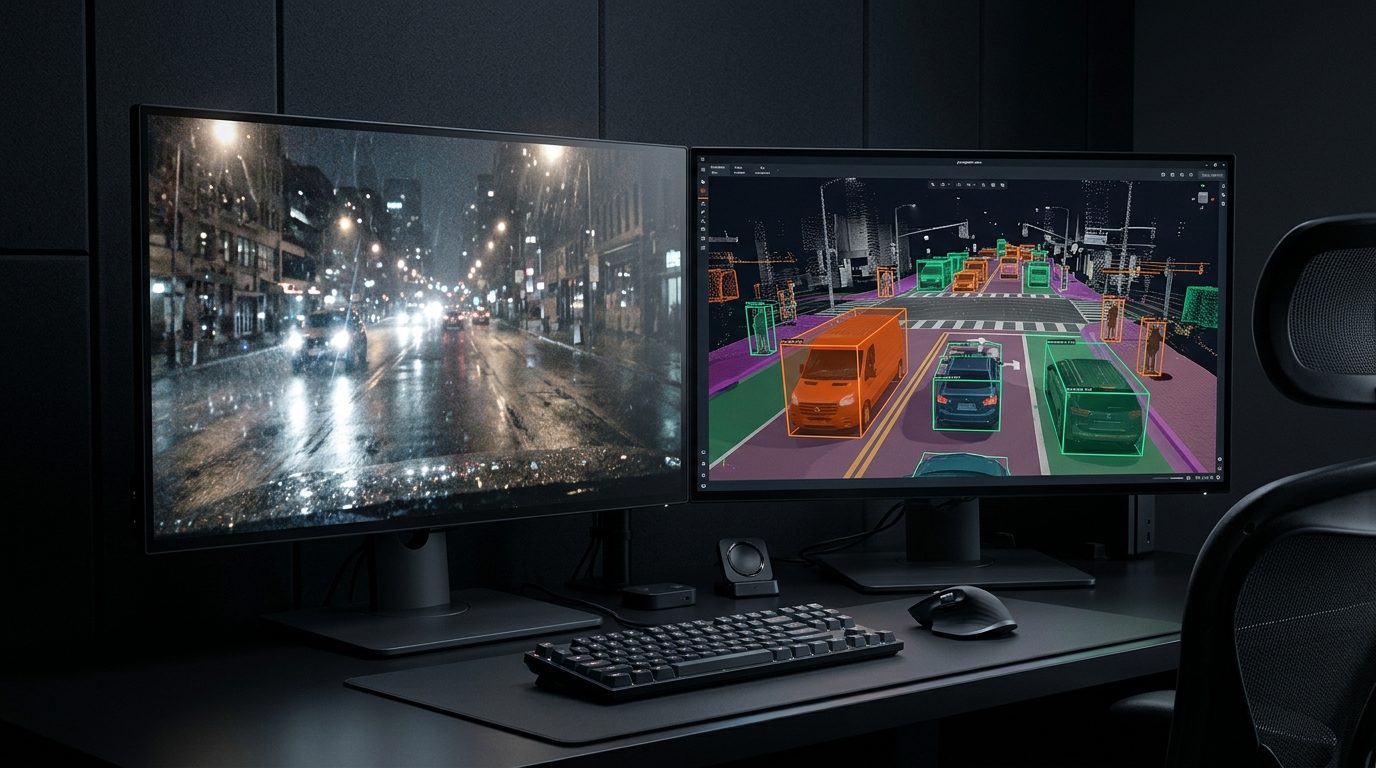
Image and Video Annotation Services: Building Reliable Computer Vision
Transforming raw images and video frames into high-accuracy training datasets using bounding boxes, semantic and instance segmentation, keypoint landmarks, and action recognition.
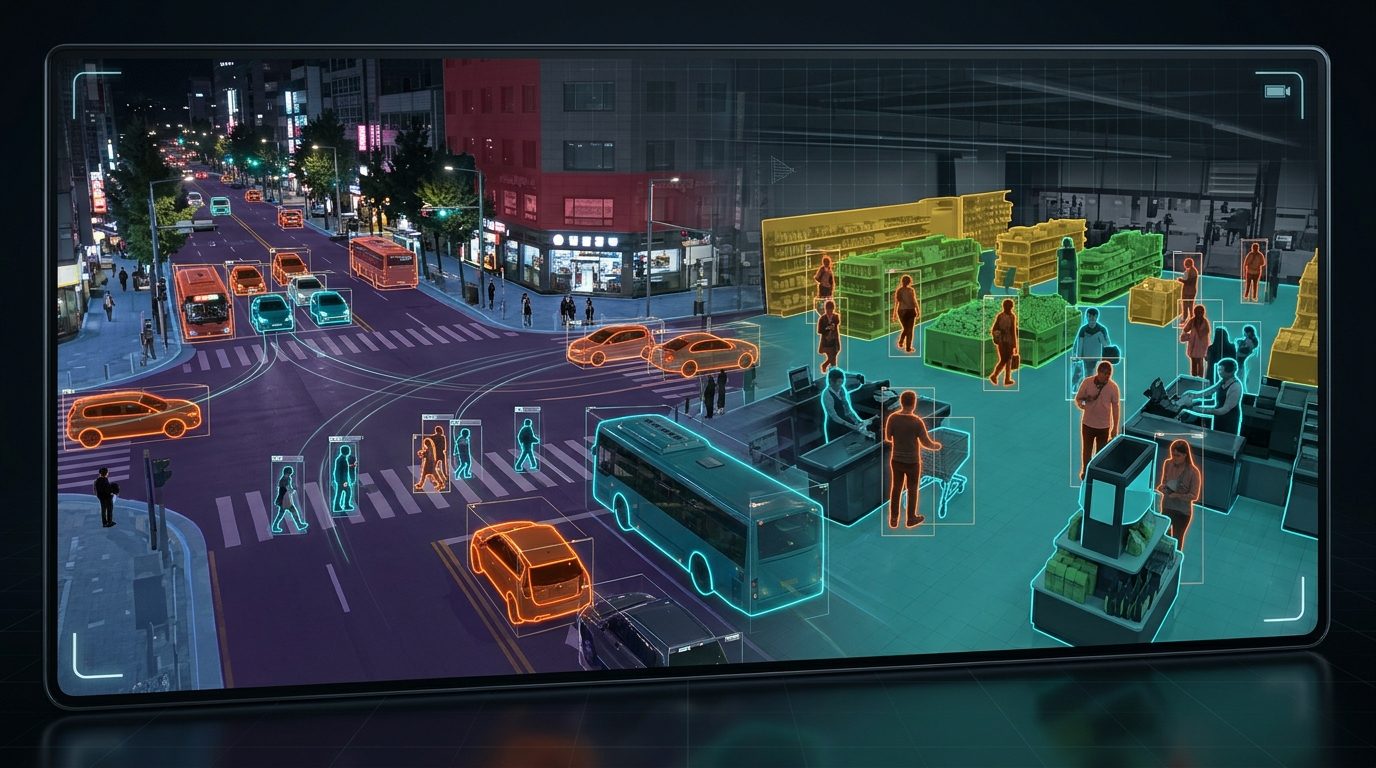
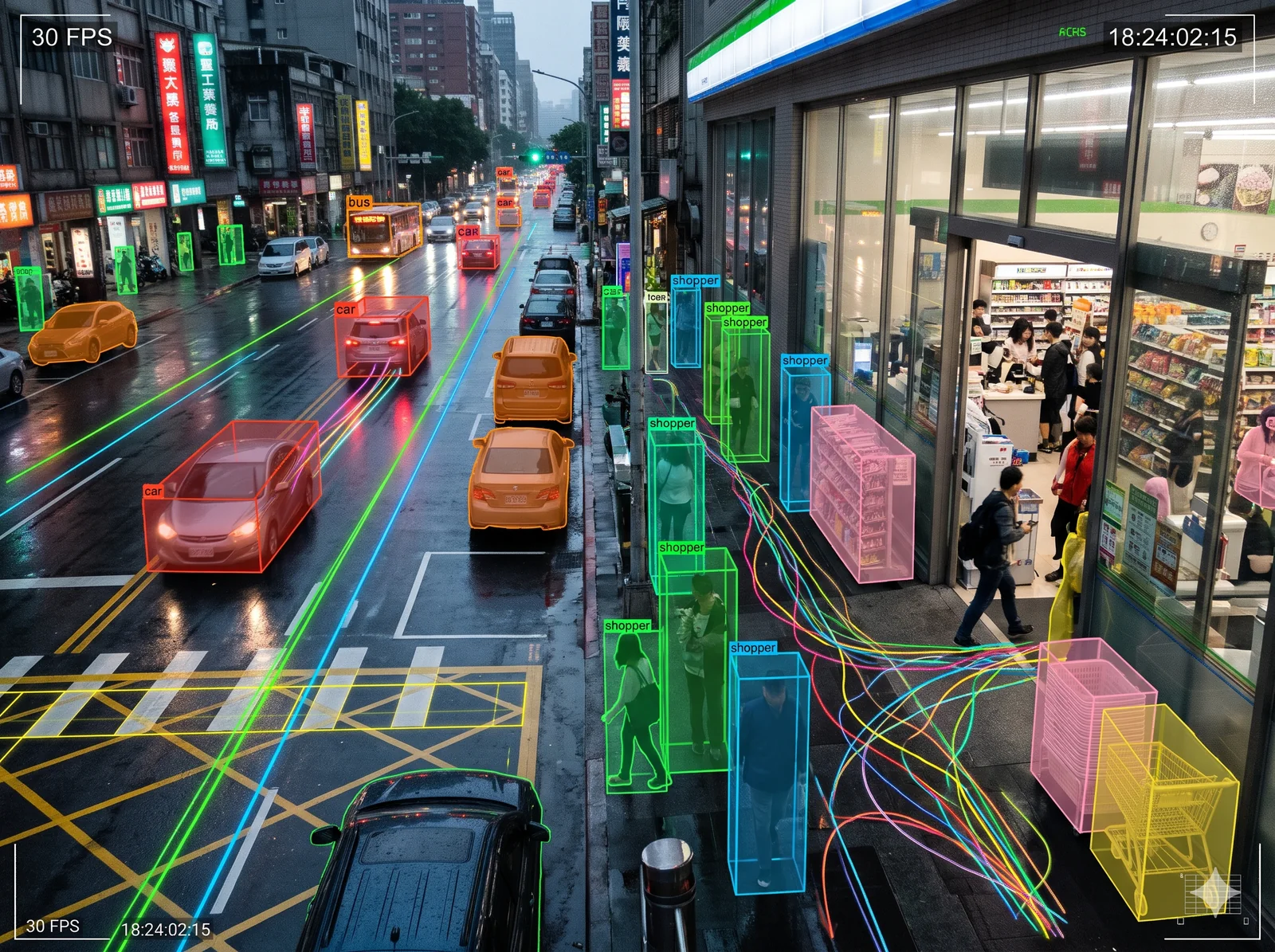
Image and video annotation is a core foundation of training AI and computer vision models. It involves adding structured labels, tags, and spatial boundaries to images and multi-frame videos so machines can recognise people, vehicles, products, animals, and dynamic movements across manufacturing, retail, healthcare, agriculture, and transportation.
DaQube.ai delivers accuracy-driven image and video annotation services from focused pilot batches to enterprise-scale computer vision pipelines.
Why Quality Annotation Matters for Model Performance
The performance of any computer vision model depends directly on the quality and consistency of its training labels. Incorrect, loose, or inconsistent annotations across frames confuse object detectors and degrade model accuracy. High-performing visual AI requires clear annotation guidelines, method selection matched to the exact task (boxes vs. pixel masks vs. skeletal keypoints), and continuous quality review.
Five Core Image & Video Annotation Methodologies
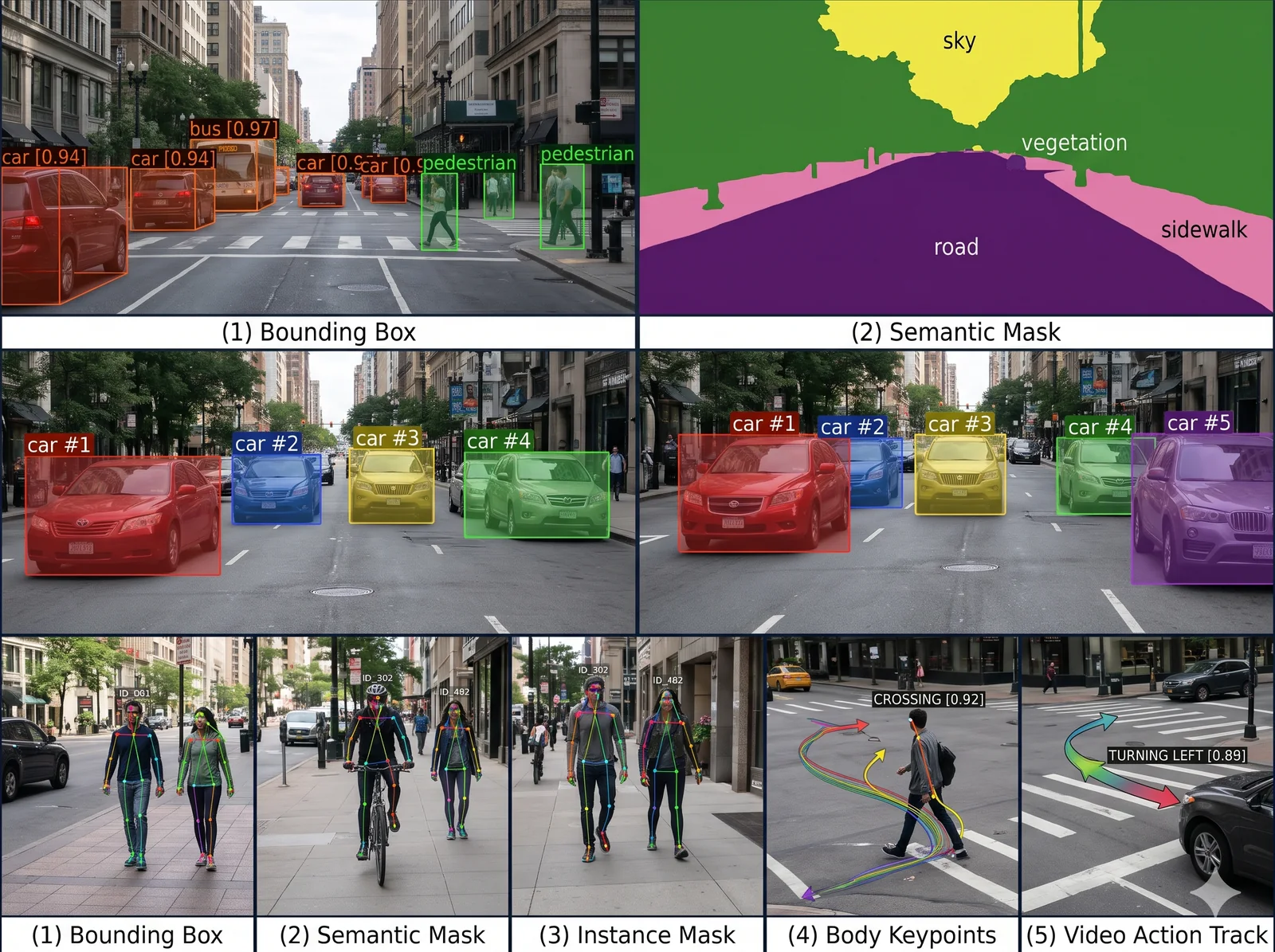
Object Detection and Bounding Box Annotation: Identifying target objects in images or video frames and enclosing them in tight boxes with class labels (person, car, product, animal) for reliable detection.
Semantic Segmentation: Assigning a category label to every single pixel in an image or video frame: separating roads, buildings, trees, vehicles, and people for full-scene understanding.
Instance Segmentation: Going a step further by identifying and separating each individual object even when multiple objects share the same category (such as five overlapping cars in traffic).
Keypoint & Action Recognition Annotation: Marking anatomical landmarks (facial features, body joints, hand positions) for pose/gesture estimation, and labelling continuous activities (walking, lifting, operating machinery) across video frames.
Computer Vision Annotation Method Selection Guide
| Annotation Type | Granularity Level | Ideal AI Use Cases |
|---|---|---|
| Bounding Boxes | Rectangular object enclosure | Vehicle/person detection, retail product localization |
| Semantic Segmentation | Every pixel assigned to a class | Road/scene parsing, land-use & medical tissue mapping |
| Instance Segmentation | Pixel mask per individual object | Counting & separating overlapping cars, shoppers, or parcels |
| Keypoint Annotation | Skeletal joints & facial landmarks | Human pose estimation, gesture recognition, ergonomics |
| Video Action Recognition | Multi-frame temporal tracking | Walking, lifting, machinery operation & safety monitoring |
Quality Assurance & Guideline Discipline at DaQube.ai
At DaQube.ai, we focus on providing accurate and consistent annotated data based on each project's specific requirements. Our workflow includes following clear annotation guidelines, reviewing completed batches, and verifying labels to maintain quality throughout the lifecycle.
Whether you need object detection, image classification, video tracking, pixel segmentation, or activity recognition, we deliver well-organised datasets across manufacturing, retail, healthcare, agriculture, and transportation.
Deterministic Milestones from Ingestion to Handoff
Project Requirement & Taxonomy Definition
Annotation Guideline Setup & Method Selection
Precision Labelling (Boxes, Segmentation, Keypoints, Video Tracks)
Multi-Stage Review & Label Consistency Verification
Organised Dataset Delivery in Model-Ready Formats

Acceptance Criteria and Quality Verification
Technical & Operational FAQs
What is the difference between semantic segmentation and instance segmentation?+
Semantic segmentation assigns a category to every pixel (e.g., marking all cars as 'vehicle' and all pavement as 'road'). Instance segmentation identifies each object separately within the same category: for example, if an image contains five cars, each car is masked as its own distinct individual object.
Where is keypoint annotation typically used?+
Keypoint annotation marks specific landmarks such as facial features, body joints, or hand positions. It is widely used for human pose estimation, facial analysis, gesture recognition, and movement tracking.
Which industries use DaQube.ai's image and video annotation services?+
Our annotation solutions support manufacturing, retail, healthcare, agriculture, transportation, autonomous driving, and security/workplace monitoring.
Ready to build your custom dataset with DaQube.ai?
Speak directly with our AI data solutions team to scope data collection, annotation guidelines, sample pilots, and delivery timelines.