The Role of Multimodal Datasets in AI Development
How combining two or more data modalities, text, images, audio, video, and sensor data, enables richer context, natural human interaction, and higher AI accuracy.
Artificial Intelligence (AI) is becoming a part of our everyday lives across healthcare, education, entertainment, and self-driving cars. Just as humans use sight, sound, and reading together to understand their surroundings, multimodal AI systems learn from multiple types of information: combining text, images, videos, audio, and sensor data to gain a deeper, more accurate understanding of the world.
DaQube.ai supports multimodal AI development through coordinated data collection and dataset preparation across images, videos, audio, text, and documents.
Challenges in Collecting & Integrating Multimodal Datasets
While multimodal datasets provide richer context than single-modality data, collecting and preparing them introduces three major operational hurdles: (1) Data Collection and Integration: synchronizing different data types from multiple sources (such as matching a video clip with its exact audio recording or connecting an image with its clinical text report); (2) High Processing Requirements, training models across combined modalities requires greater compute and structured formatting; and (3) Data Quality and Accuracy, blurry images, unclear audio, incorrect labels, or incomplete text can degrade cross-modal learning without rigorous cleaning, annotation, and validation.
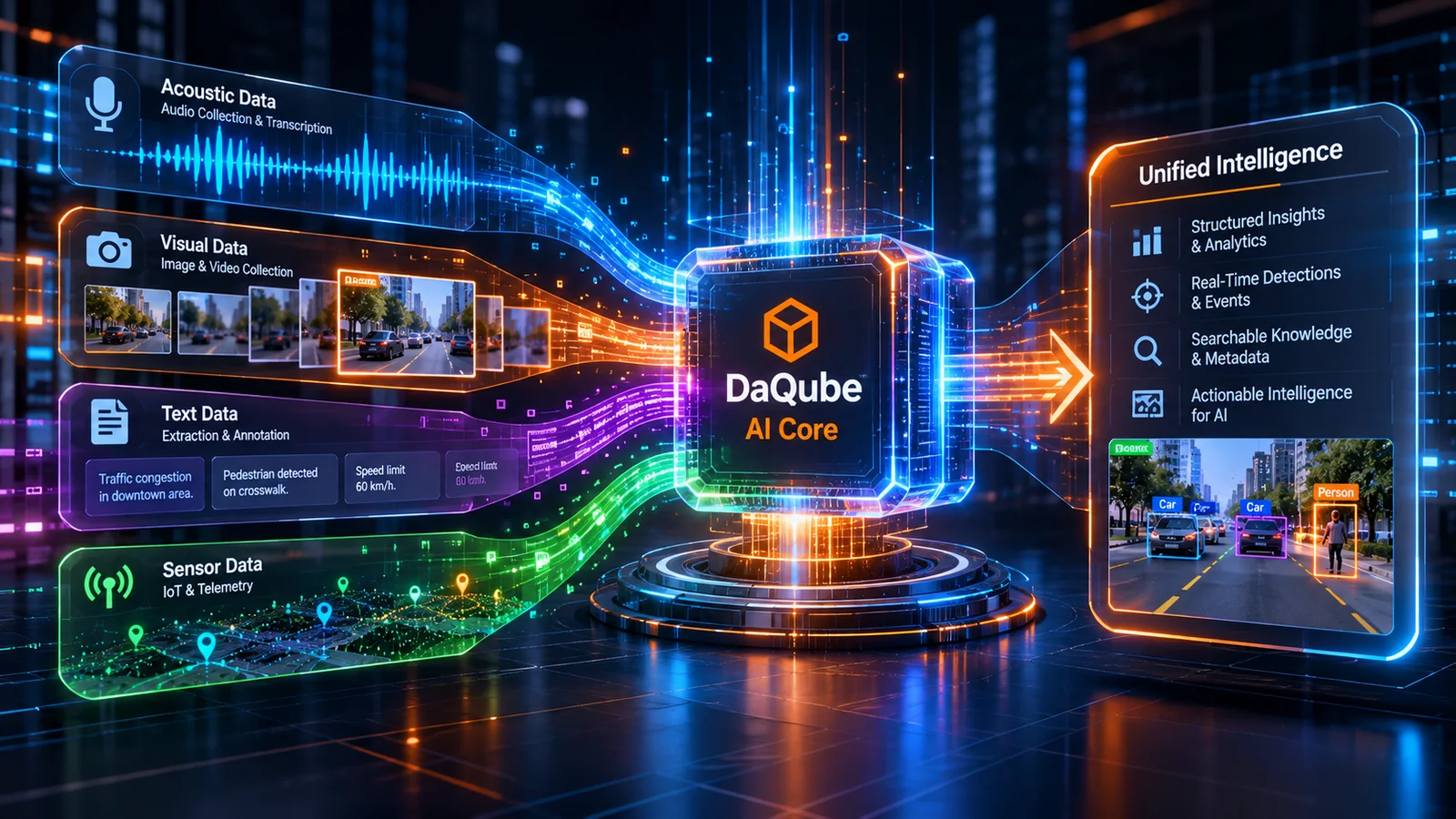
Core Benefits & Real-World Multimodal Applications
Better Understanding of Information: Combining modalities provides crucial context missed by single-source data: for example, pairing written medical reports with X-ray or MRI scans and patient sensor readings in healthcare.
More Natural Human Interaction: Multimodal AI handles voice, text and images together, allowing voice assistants and customer support bots to accept spoken questions, written messages, or product photos.
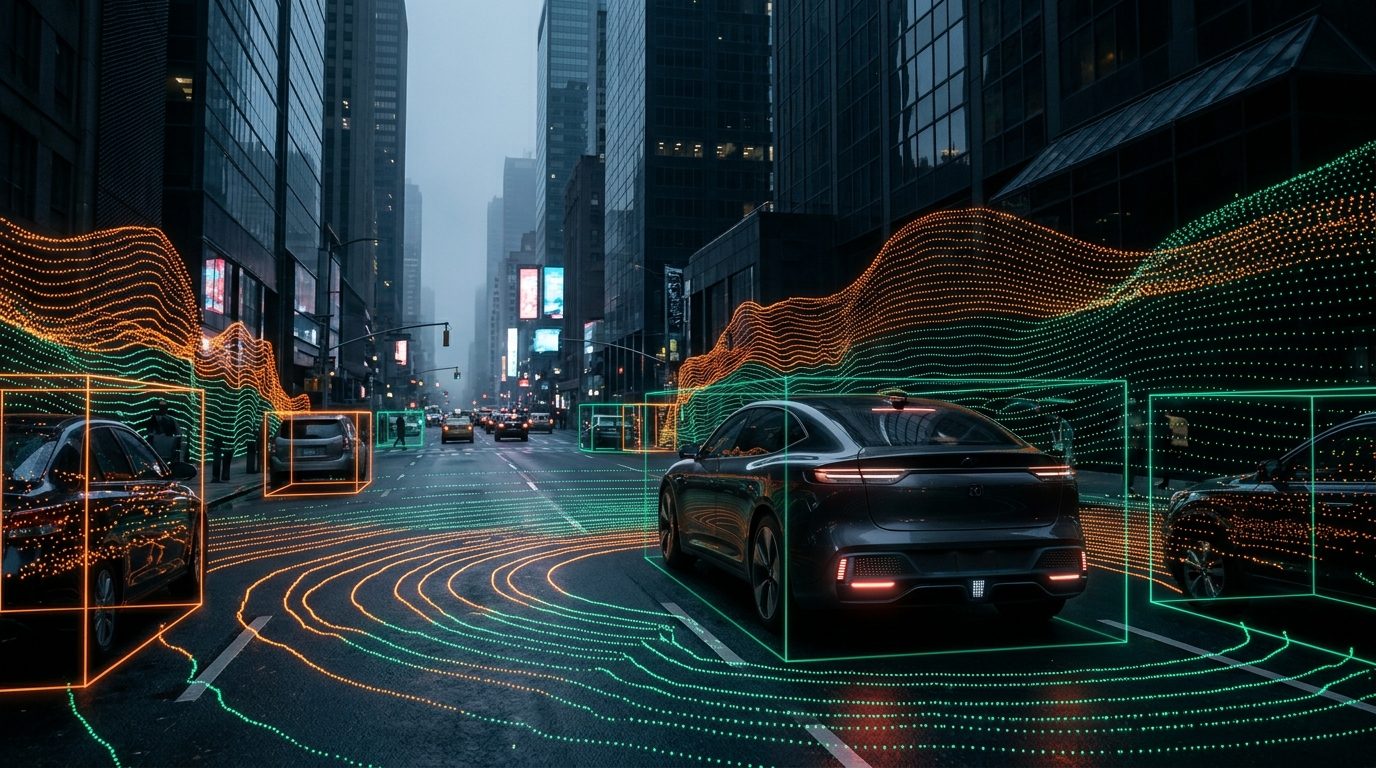
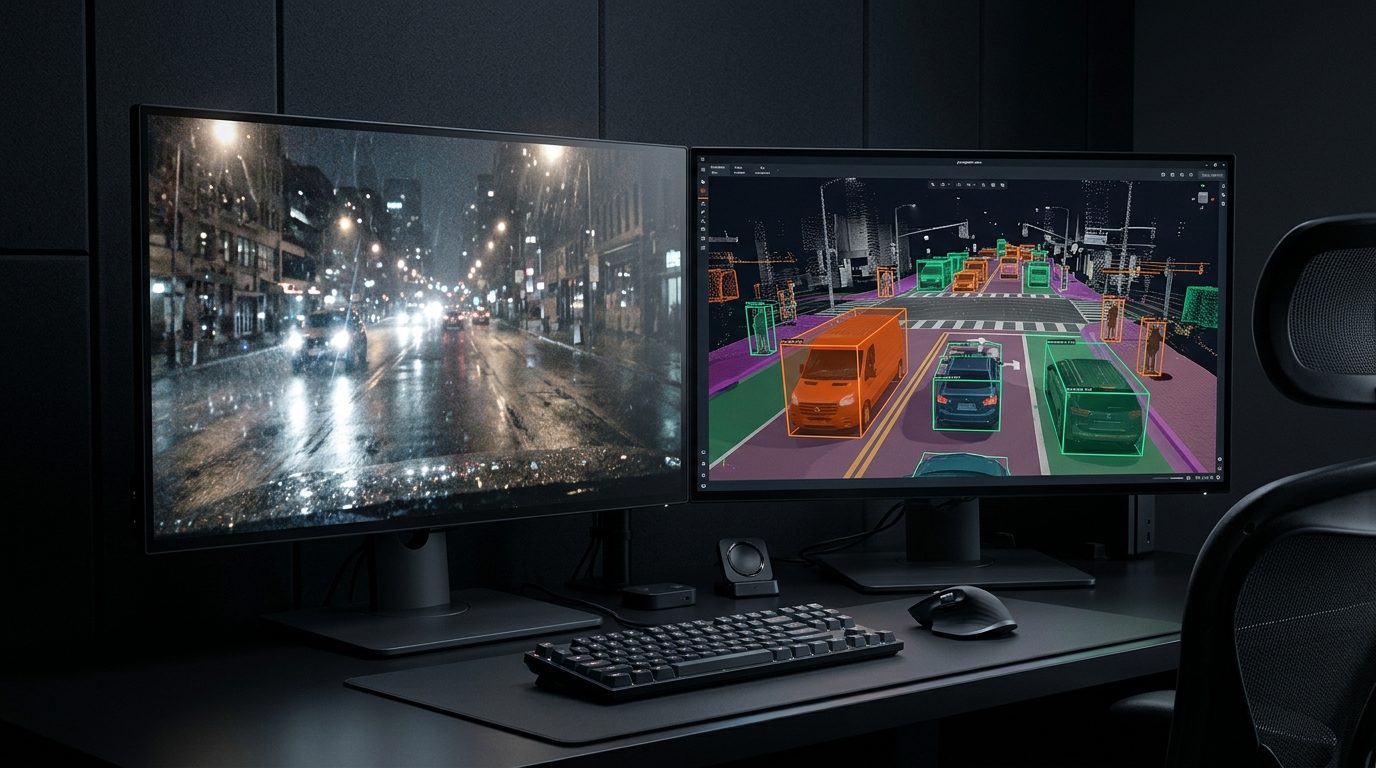
Improved AI Performance in Self-Driving Vehicles: Combining camera images, GPS, radar, and LiDAR sensors to detect vehicles, pedestrians, traffic signs, and road conditions simultaneously.
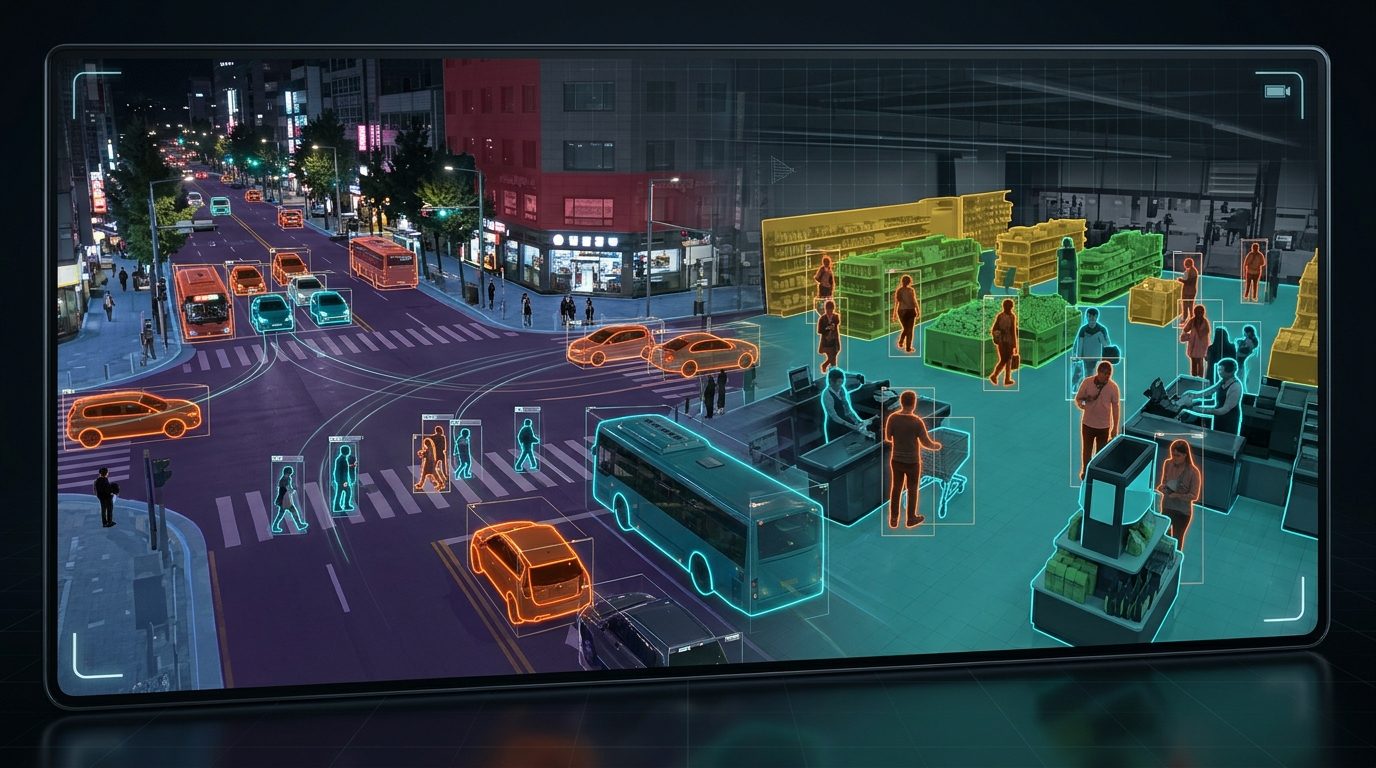
Cross-Platform Content & Social Media Monitoring: Analysing text, images, and videos together to identify harmful content, understand user activity, and recommend relevant media.
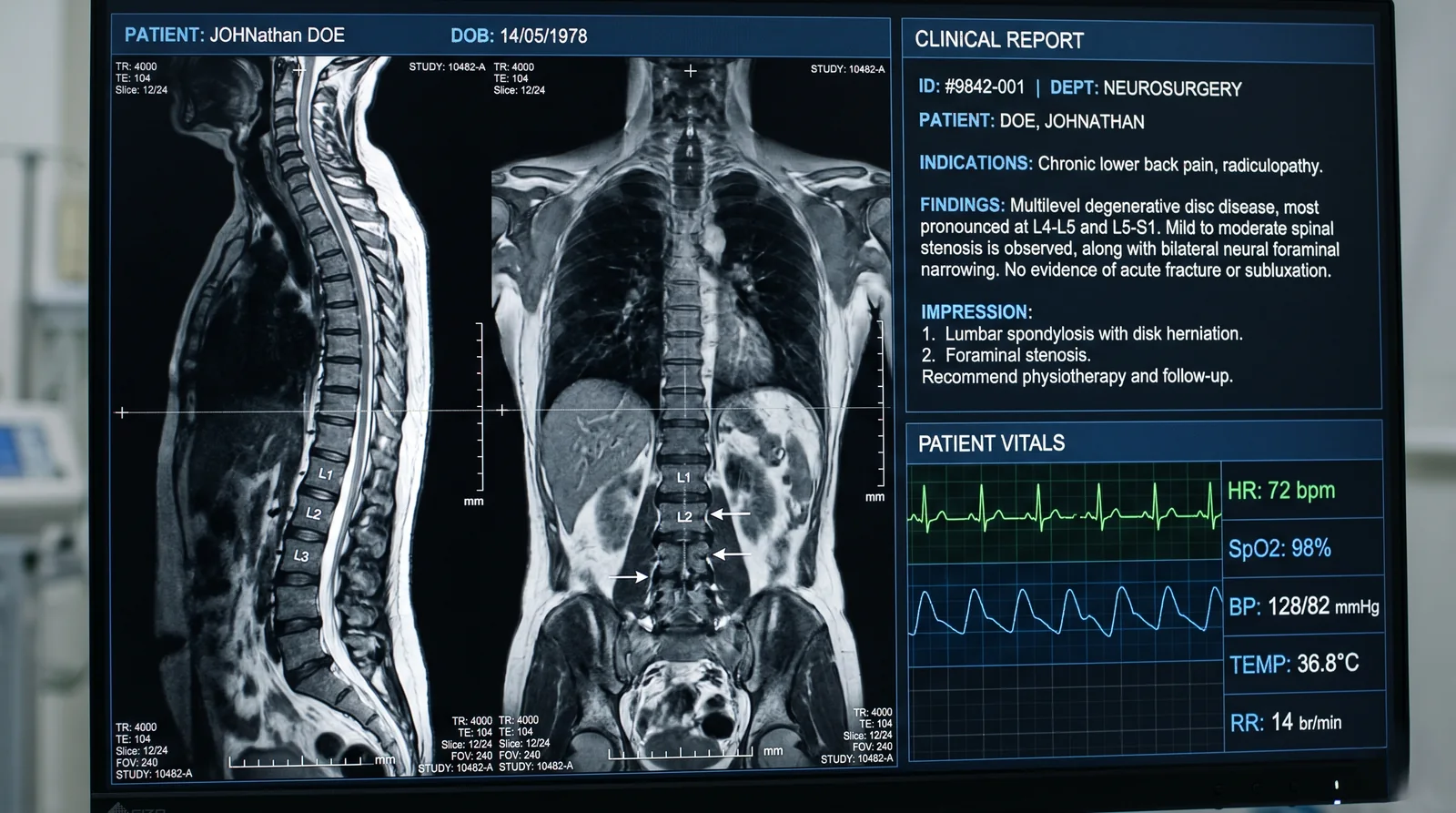
Multimodal Industry Deployment Matrix
| Industry Sector | Combined Modalities | New AI capability |
|---|---|---|
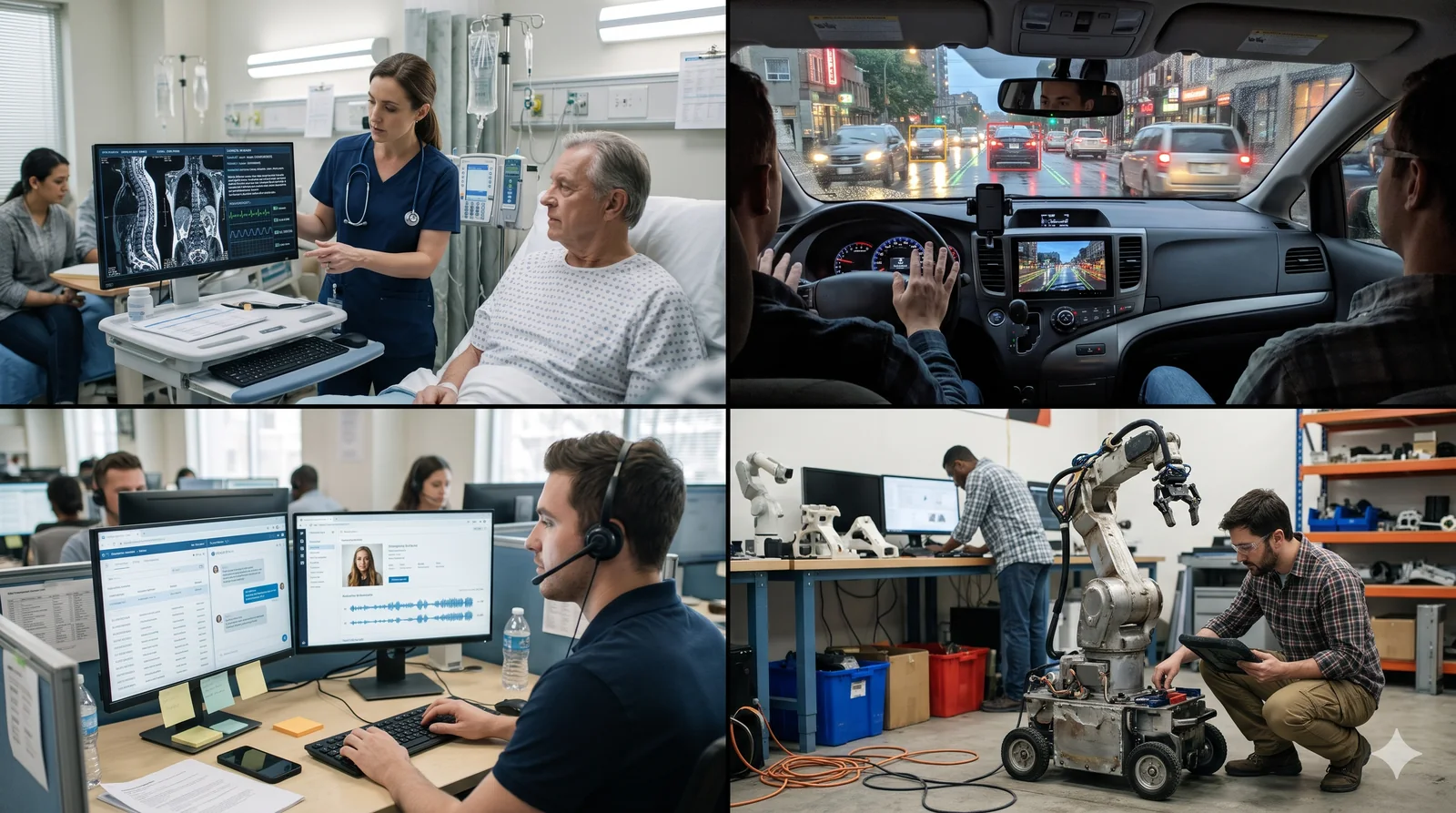
| Healthcare | Medical Reports (Text) + X-Ray/MRI/Ultrasound (Image) + Vitals (Sensor) | Clinical research support & comprehensive diagnostic context |
| Self-Driving Vehicles | Camera (Image/Video) + Radar + LiDAR + GPS (Sensor) | Real-time obstacle detection, lane tracking & navigation decisions |
| Customer Support | Written Chat (Text) + Spoken Queries (Voice) + Product Photos (Image) | Faster issue resolution across natural multi-channel inputs |
| Education & Robotics | Lessons (Text) + Video + Voice Instructions + Spatial Sensors | Interactive tutoring & embodied robotic environment perception |
What Is the Future of Multimodal Datasets in AI?
Multimodal AI use is expanding rapidly across industries as systems handle more complex tasks. In Education, AI learning assistants combine written lessons, videos, voice instructions, and interactive exercises to create better learning experiences. In Entertainment, AI systems combine viewing and listening preferences to suggest movies, music, and content.
In Robotics, robots combine camera images, audio, and sensor data to navigate surroundings and perform physical tasks. In Transportation, combining camera, GPS, and sensor data improves traffic monitoring and smart infrastructure.
Deterministic Milestones from Ingestion to Handoff
Cross-Modal Requirement Scoping (Defining Target Modalities & Use Case)
Multi-Source Data Collection (Images, Videos, Audio, Text & Documents)
Cross-Modal Integration & Alignment (Matching Video-Audio & Image-Text)
Data Cleaning, Annotation & Validation (Eliminating Blur, Noise & Label Errors)
Organised Multimodal Dataset Delivery (Ready for Model Training)
Acceptance Criteria and Quality Verification
Technical & Operational FAQs
What is a multimodal dataset?+
A multimodal dataset is a collection of data that includes two or more different types of information (modalities), such as written text paired with images, videos, audio recordings, or sensor data.
Why is data alignment challenging in multimodal AI?+
Different data types must be properly connected and synchronized, such as matching a video clip with its exact audio recording or linking a medical scan with its corresponding clinical text report, while ensuring no blurry images, unclear audio, or incorrect labels compromise the pair.
Which industries benefit most from multimodal datasets?+
Healthcare, self-driving vehicles, customer support, social media monitoring, education, entertainment, robotics, and smart transportation all rely on multimodal datasets to handle complex real-world tasks.
Ready to build your custom dataset with DaQube.ai?
Speak directly with our AI data solutions team to scope data collection, annotation guidelines, sample pilots, and delivery timelines.