Where Can I Get Annotated Medical Images for AI Training?
How to source annotated medical imaging datasets (DICOM, NIfTI), evaluate clinical fit, privacy, and annotator qualifications, and scope custom medical image annotation pilots.
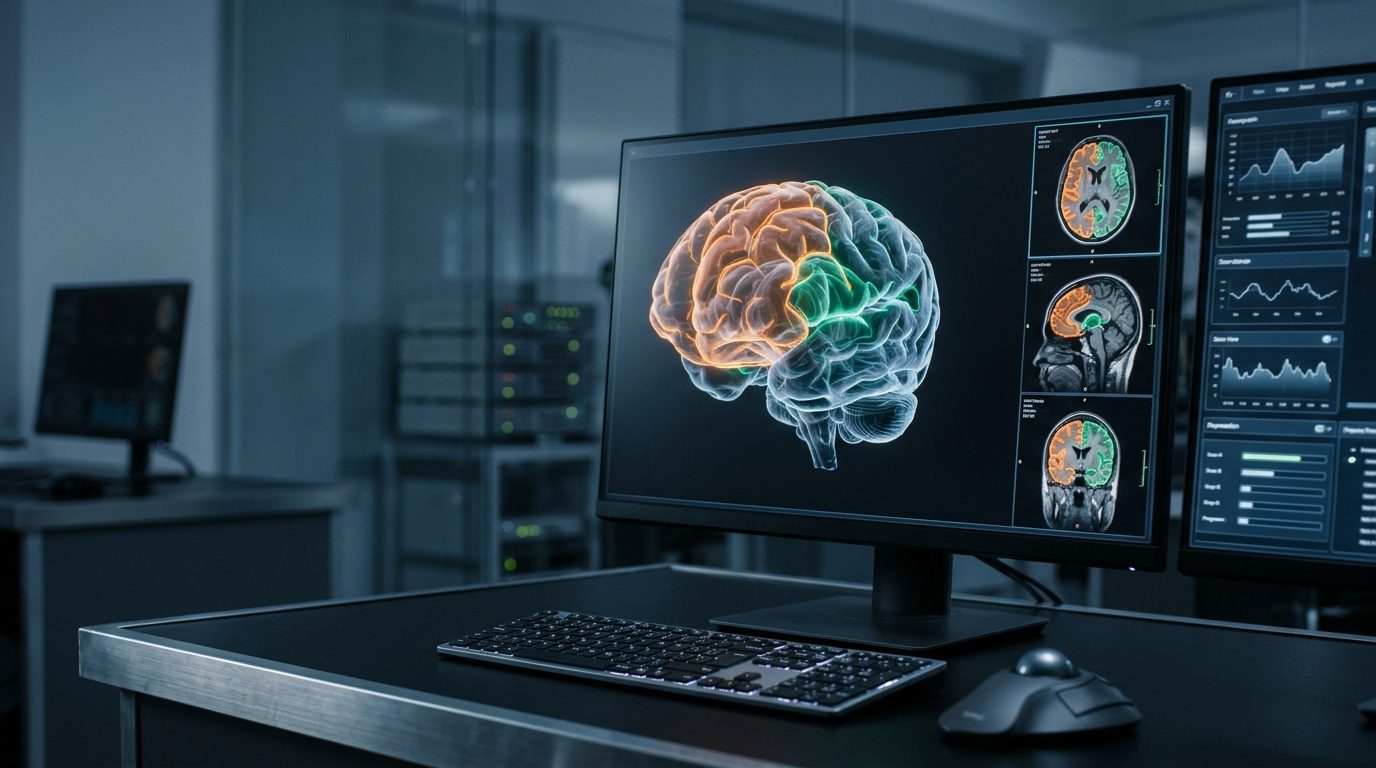
Annotated medical images can be obtained from public research databases, healthcare research partnerships, and providers of custom data or annotation services. However, a dataset that looks promising at first glance may differ in scanner type, patient population, or labeling criteria from what your clinical ML project actually requires. Here is how to source, audit, and plan reliable medical imaging datasets.
Contact DaQube.ai with your modality, target clinical use, annotation needs, expected volume, and timeline to scope a custom medical dataset pilot and quotation.
Where to Find Medical Image Datasets & Why Clinical Fit Matters
A dataset designed for brain MRI segmentation is fundamentally different from one designed for pathology classification. Public repositories (like The Cancer Imaging Archive or NCI Imaging Data Commons) are useful for prototyping, but licenses, citation rules, scanner protocols, and label definitions vary widely. Hospital and university collaborations offer clinical depth but depend on institutional permissions and privacy governance. When existing datasets lack the required anatomy, protocol, or boundary definitions, custom collection or clinical annotation is required.
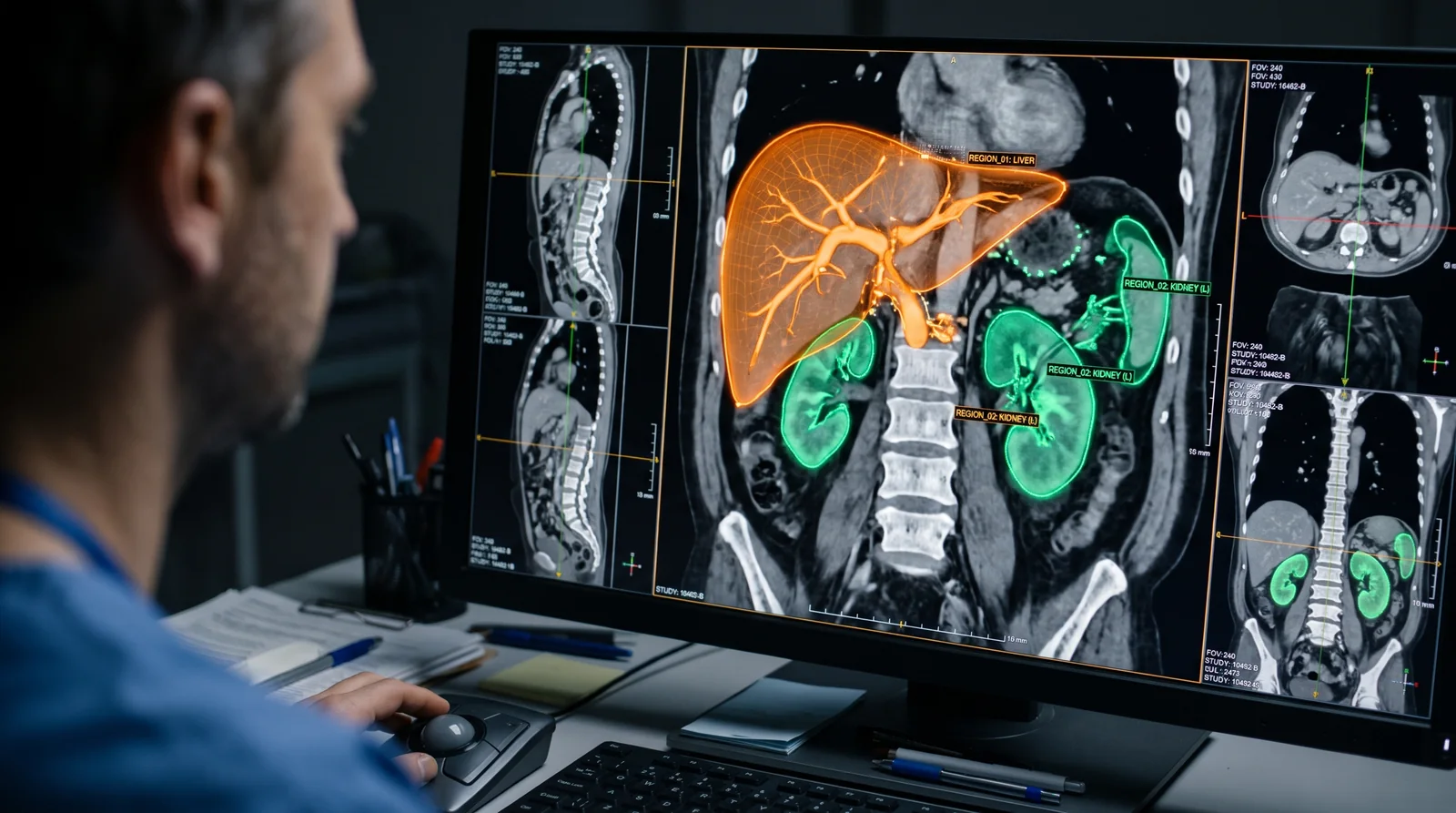
Four Essential Checks Before Choosing Medical Imaging Data
Fit of Image and Population: Evaluate the imaging modality, target anatomy, scanner conditions, patient population demographics, and any known dataset limitations before committing.
Annotation Quality & Qualifications: Examine label definitions, clinical qualifications of the annotators, quality assurance procedures, and the escalation/disagreement resolution process.
Rights, Licensing and Privacy: Verify permitted usage rights (research vs. commercial), de-identification protocols, and formal legal/privacy compliance agreements.
Technical Compatibility (DICOM / NIfTI): Inspect image and annotation formats, metadata retention, coordinate systems, and pipeline integration: always testing a sample in your own workflow so converted files don't strip vital clinical details.
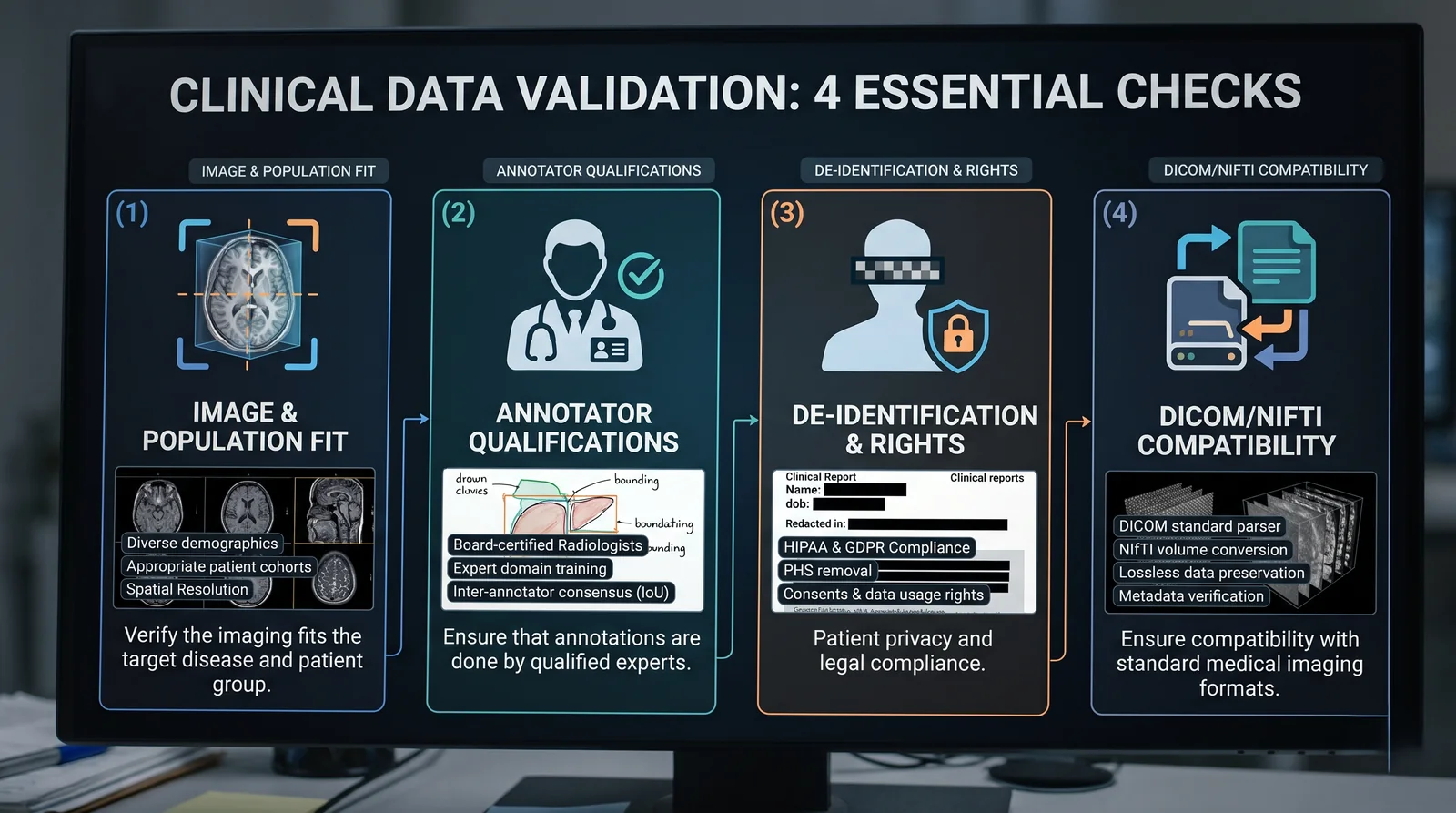
Medical Imaging Data Source Evaluation Matrix
| Source Option | Best Suited For | Key Verification Requirement |
|---|---|---|
| Public Repositories (TCIA, NCI IDC) | Initial research, benchmarking & prototyping | Check license terms (commercial vs. academic), citations & label granularity |
| Hospital & University Partnerships | Specific clinical settings & longitudinal patient cohorts | Institutional IRB/privacy approvals, de-identification & governance |
| Custom Provider & Clinical Annotation | Project-specific segmentation boundaries & custom protocols | Run a clinician-reviewed pilot batch & verify scope/access upfront |
When Does Custom Medical Image Annotation Make Sense?
Custom annotation is worth considering when an available dataset lacks the anatomy, imaging protocol, or labeling detail your project requires. For example, an ML team developing a segmentation model might need anatomical boundaries defined according to its own clinical annotation guide rather than a broad image-level label.
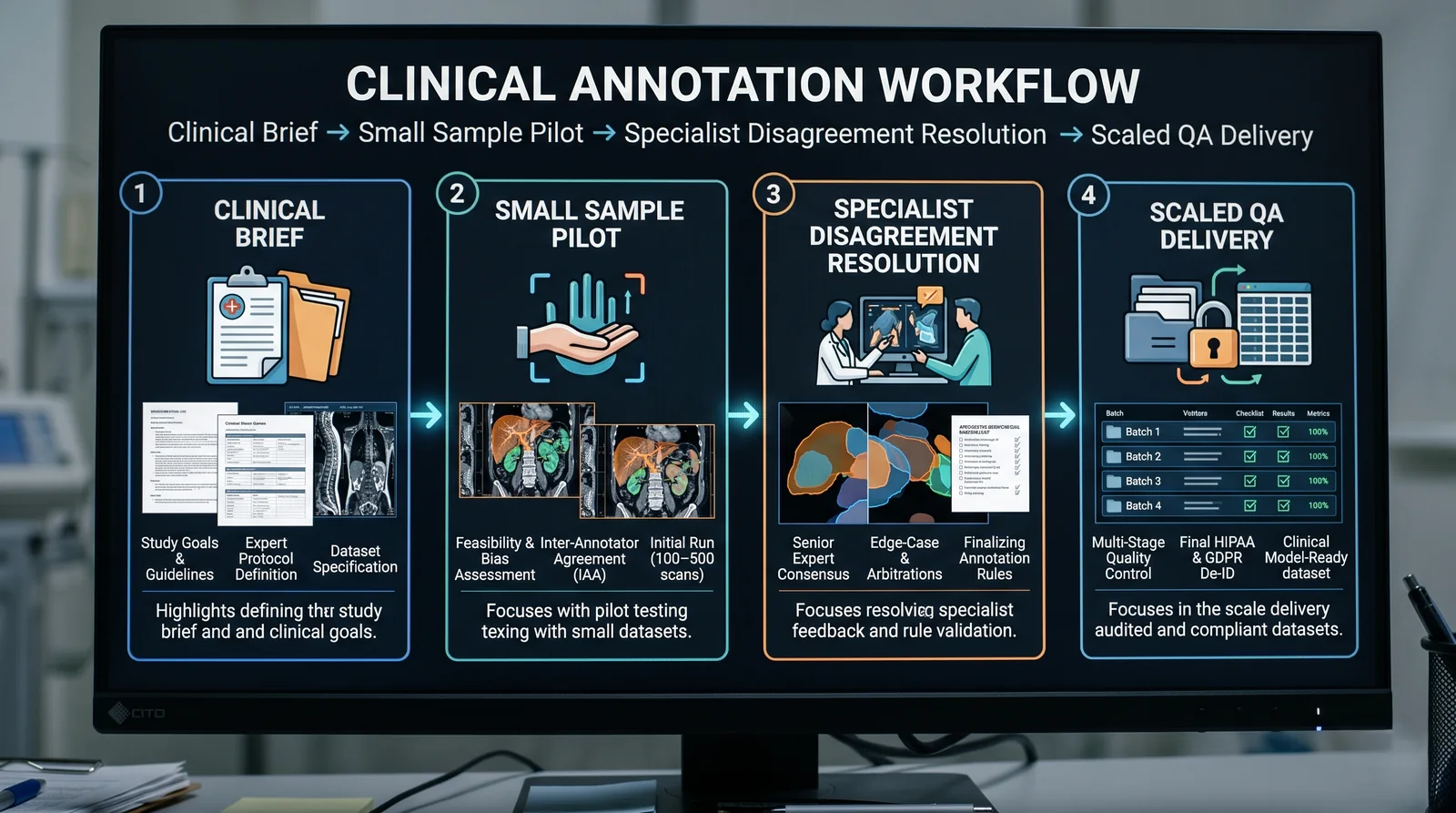
Always begin with a small pilot: have appropriate clinical experts review the task definition and sample labels, then resolve unclear cases before scaling. Custom labels improve fit for a project, though they must be paired with clinical and regulatory validation.
Deterministic Milestones from Ingestion to Handoff
Define Clinical Application, Modality (DICOM/NIfTI) & Target Anatomy
Audit Sample Data for Population Fit, Privacy & Technical Compatibility
Execute Small Pilot with Clinical Expert Review of Sample Labels
Resolve Ambiguous Cases & Lock Escalation / QA Disagreement Rules
Scale Production with Milestone Reviews & Acceptance Verification
Acceptance Criteria and Quality Verification
Technical & Operational FAQs
Can I use public medical image datasets commercially?+
Sometimes. Rights vary by dataset, so review the specific license, access terms, and attribution requirements before use. Public access does not automatically mean unrestricted commercial use.
Who should annotate medical images?+
The answer depends on the task. Some labels require relevant clinical expertise, while other steps may be supported by trained annotators working under a suitable clinical review process. Define qualifications and escalation rules in the project brief.
Are annotated images enough to validate a medical AI model?+
No. You also need an evaluation plan suited to the intended use, including an appropriate held-out test set and relevant clinical, privacy, and regulatory review. Dataset annotation alone does not establish safety or fitness for deployment.
Ready to build your custom dataset with DaQube.ai?
Speak directly with our AI data solutions team to scope data collection, annotation guidelines, sample pilots, and delivery timelines.