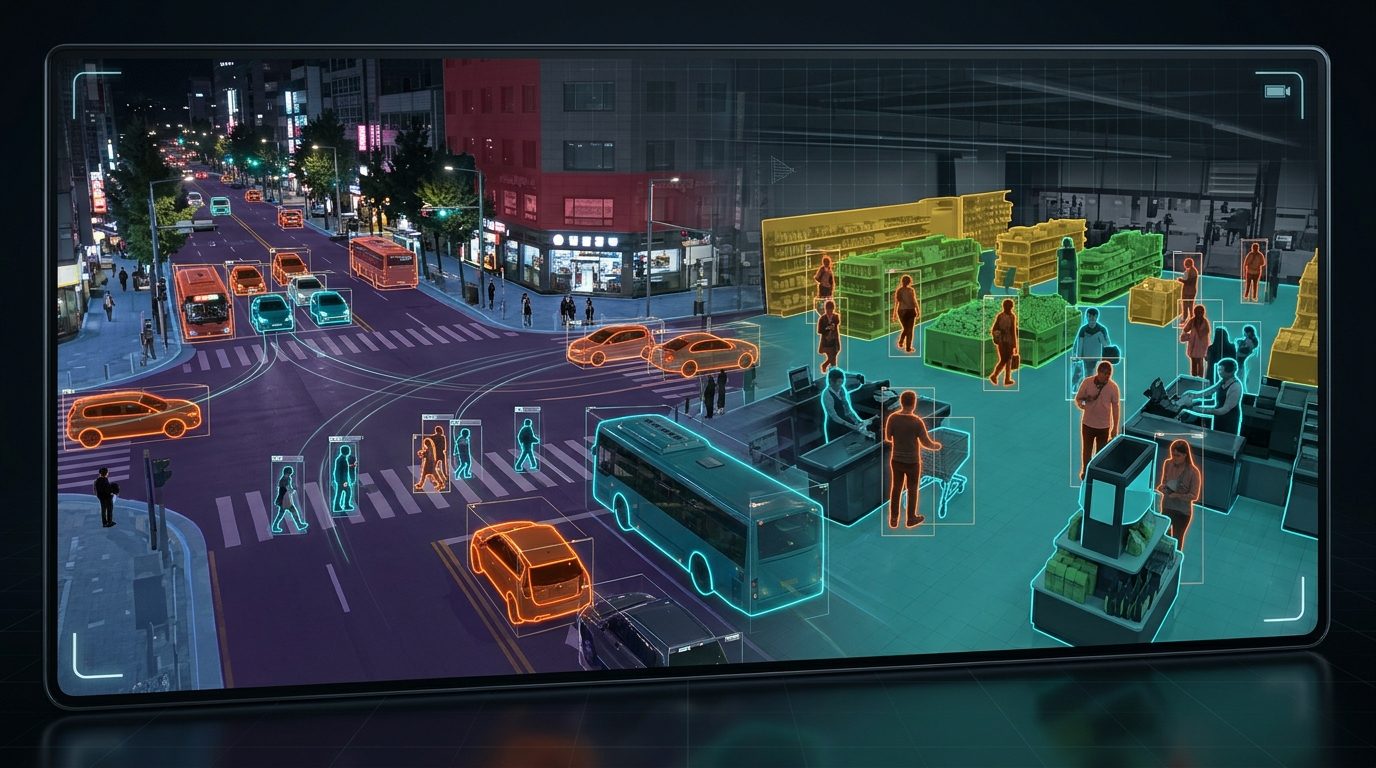
Image & video collection
Collect the visual examples your systems need: from everyday scenes to rare edge cases, across environments, devices, and lighting conditions.
EDGE SCENARIOS
HIGH DENSITY FRAMES
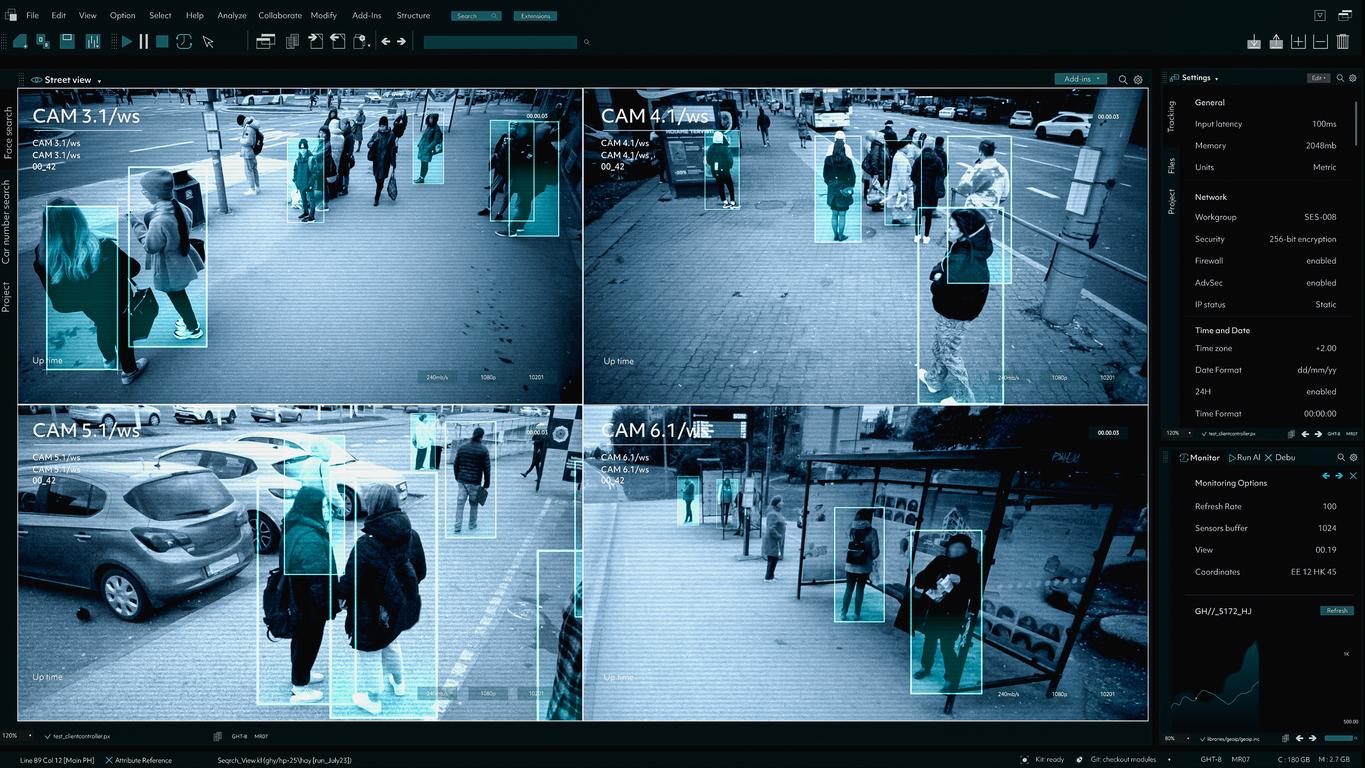
From custom data capture and transcription to precise labeling and human evaluation, bring the building blocks of better AI into one coordinated workflow.
Collect the visual examples your systems need: from everyday scenes to rare edge cases, across environments, devices, and lighting conditions.
Build speech and sound datasets for voice assistants, automatic speech recognition, acoustic events, and localized multilingual experiences.
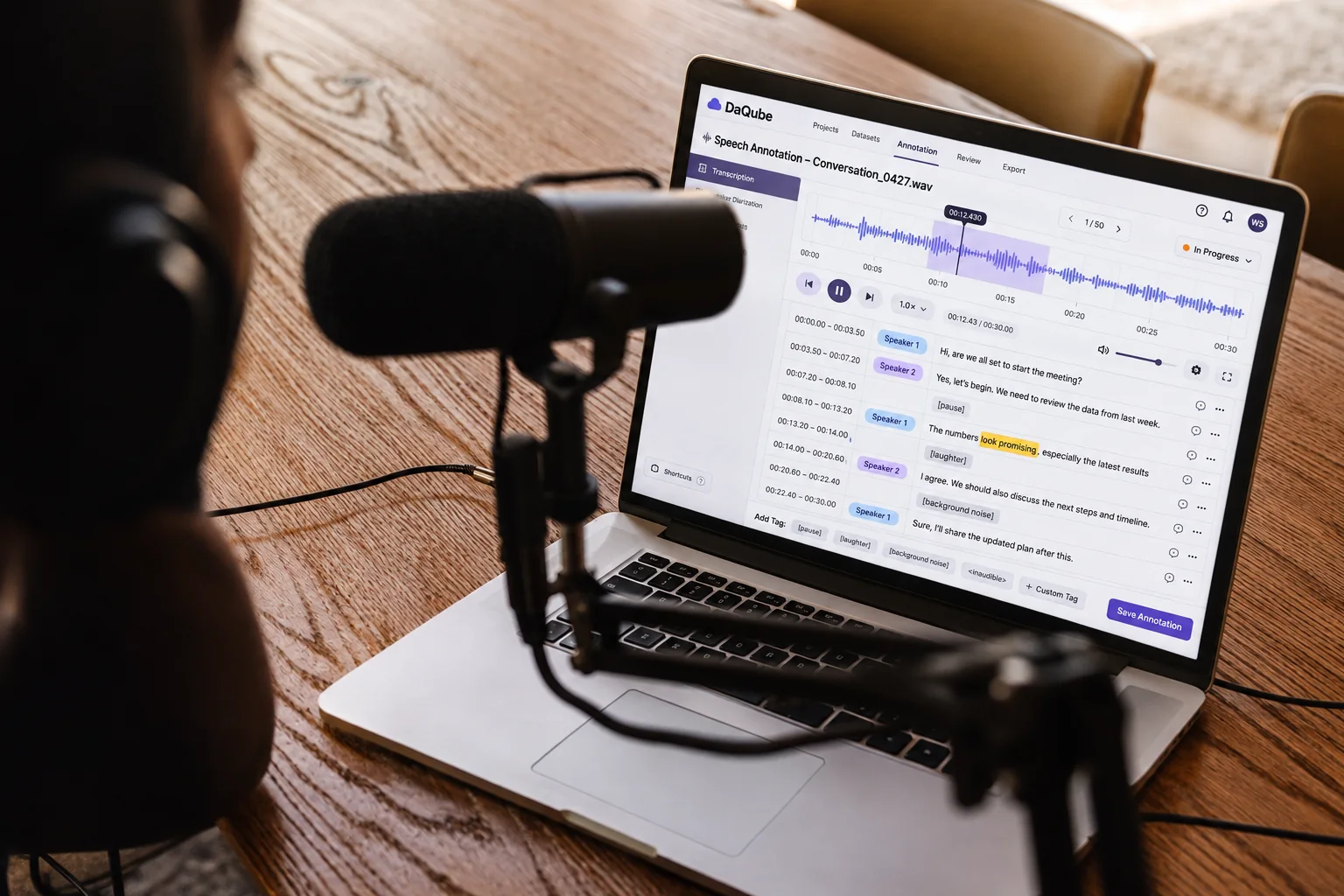
Turn recordings and documents into usable language data with transcription, normalization, OCR-ready text, and locale-aware human review.

Make raw examples machine-readable with task-specific labels, from classification and entities to boxes, polygons, and dense segmentation.
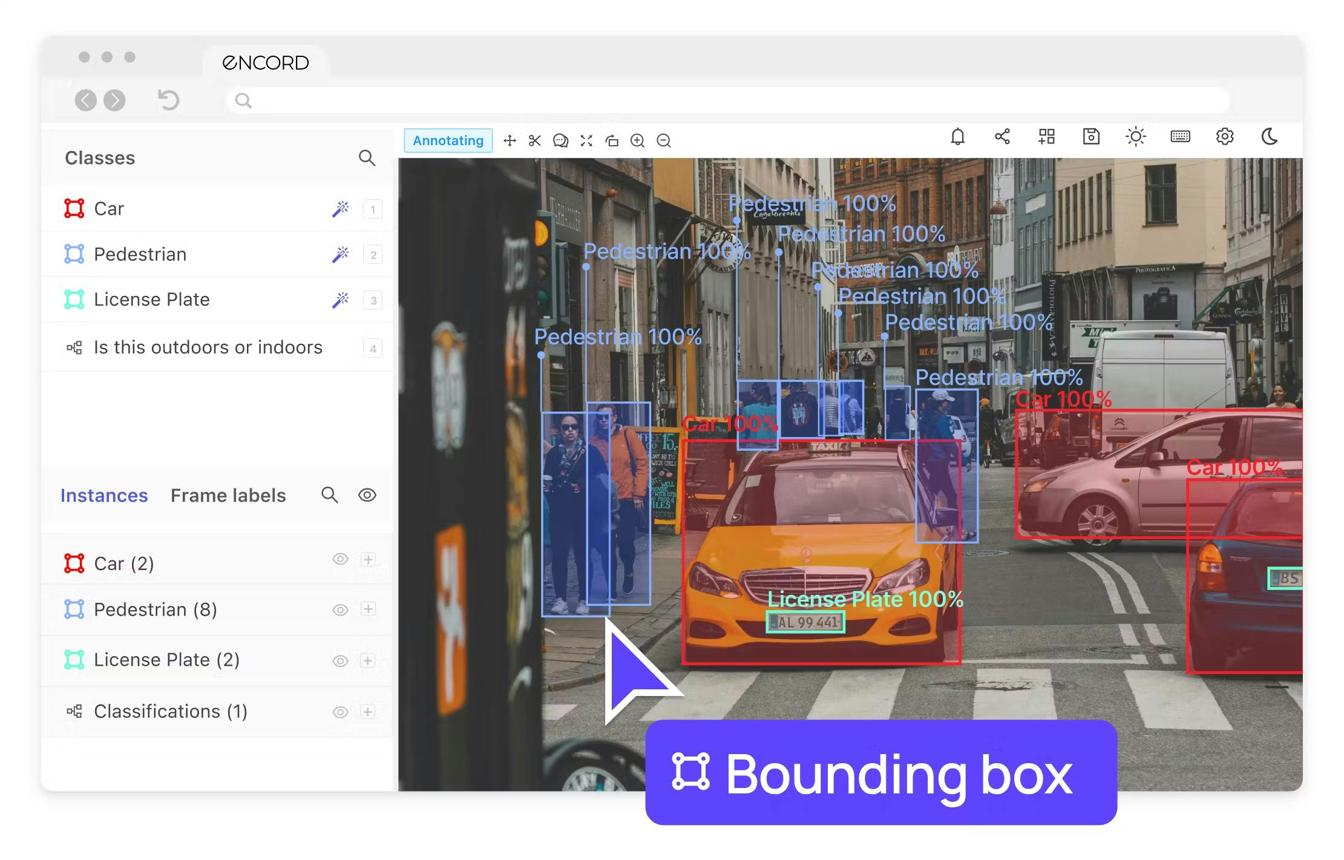
Connect modalities with aligned timestamps, transcripts, metadata, and labels for systems that interpret the real world from multiple signals.

Evaluate model outputs against clear rubrics, compare responses, surface failure patterns, and create closed feedback loops for continuous improvement.
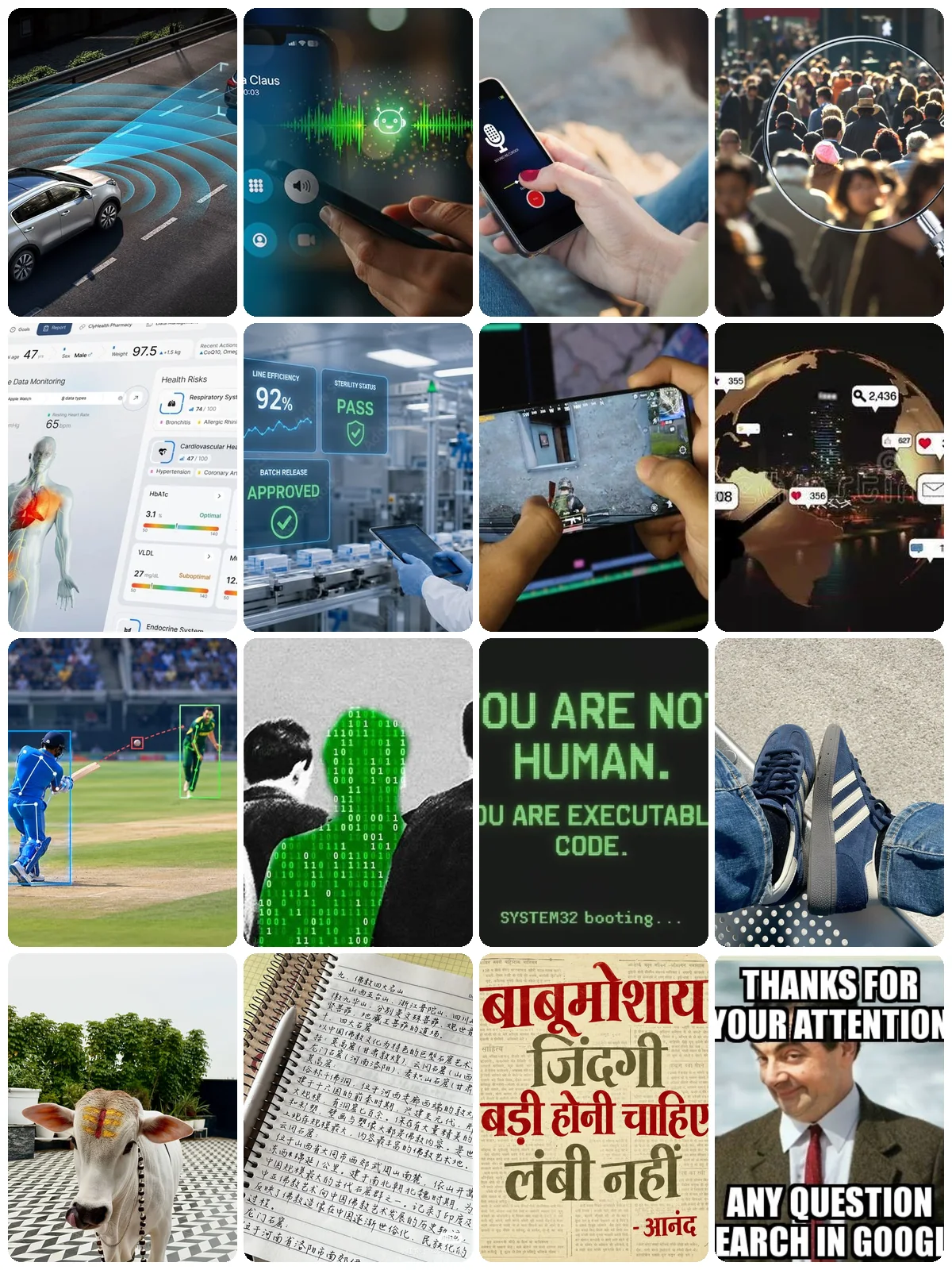
Explore how visual, audio and language data move through a deliberate collection and review workflow. Every project is scoped to its own requirements.
Explore all capabilitiesModels learn from the examples they see. Coverage gaps, ambiguous labels and inconsistent transcripts can become blind spots later. A deliberate data process helps teams address those issues earlier.
DaQube helps plan the collection, annotation and review steps around your use case, so datasets arrive organized, documented and ready for the next stage of development.
Explore our approachSpecifications and workflows shaped around your use case.
People, clear instructions and review built into the process.
Defined checks, issue tracking and agreed acceptance criteria.
Structured deliverables designed for your downstream pipeline.
We align on your use case, target population, data specification and acceptance criteria.
We plan collection workflows around your formats, coverage, languages and constraints.
Structured checks and human review help identify gaps before delivery.
Receive organized, documented data designed to fit your downstream workflow.
From visual perception to language understanding, the workflow starts with your model and the world it needs to understand.
Explore industriesTrusted by global AI leaders for scale, precision, and secure delivery.
Explore timelines, workforce calibration, and delivery schemas based on your target modality and volume.
Select a core capability, adjust project volume, and inspect real-time calibrated engineering telemetry.
DaQube collects, annotates, transcribes and quality-checks real-world data for teams building AI. We gather images, video, speech and text from people who have given consent, label it to your guidelines, and review it in stages before delivery, so your models learn from data that reflects how people really look, sound and write.
The work is done by a network of more than 850 trained specialists in over 100 countries, speaking 120+ languages. Contributors are adults who register with DaQube, give informed consent, and pass a qualification task on your guidelines before they work on any live data for your project.
DaQube collects data in more than 100 countries, so a dataset can match the regions, languages, accents, lighting, devices and settings your model will meet in production. A project can focus on one city or market, or spread collection across many countries to balance demographics and reduce bias.
Synthetic data adds volume, but models still fail on real-world variation they have never seen. Human-collected and human-labelled data captures natural speech, real scenes and genuine edge cases, and it gives you a trustworthy ground truth for testing models, including models trained mostly on synthetic data.
Every project starts with an agreed specification and a gold set. Contributors pass a qualification task, each batch is checked by a second reviewer, and disagreements go to a lead for a final call. Agreement scores and audit samples are reported with every delivery, so you can see the quality yourself.
An off-the-shelf dataset works when a standard benchmark or a broad starting set is enough. Choose custom collection when your model needs a specific language, accent, device, environment, demographic or label schema that public data does not cover, or when you need clear consent and commercial rights.