Artificial Intelligence (AI) is becoming a part of our everyday lives across healthcare, education, entertainment, and self-driving cars. Just as humans use sight, sound, and reading together to understand their surroundings, multimodal AI systems learn from multiple types of information: combining text, images, videos, audio, and sensor data to gain a deeper, more accurate understanding of the world.
Challenges in Collecting & Integrating Multimodal Datasets
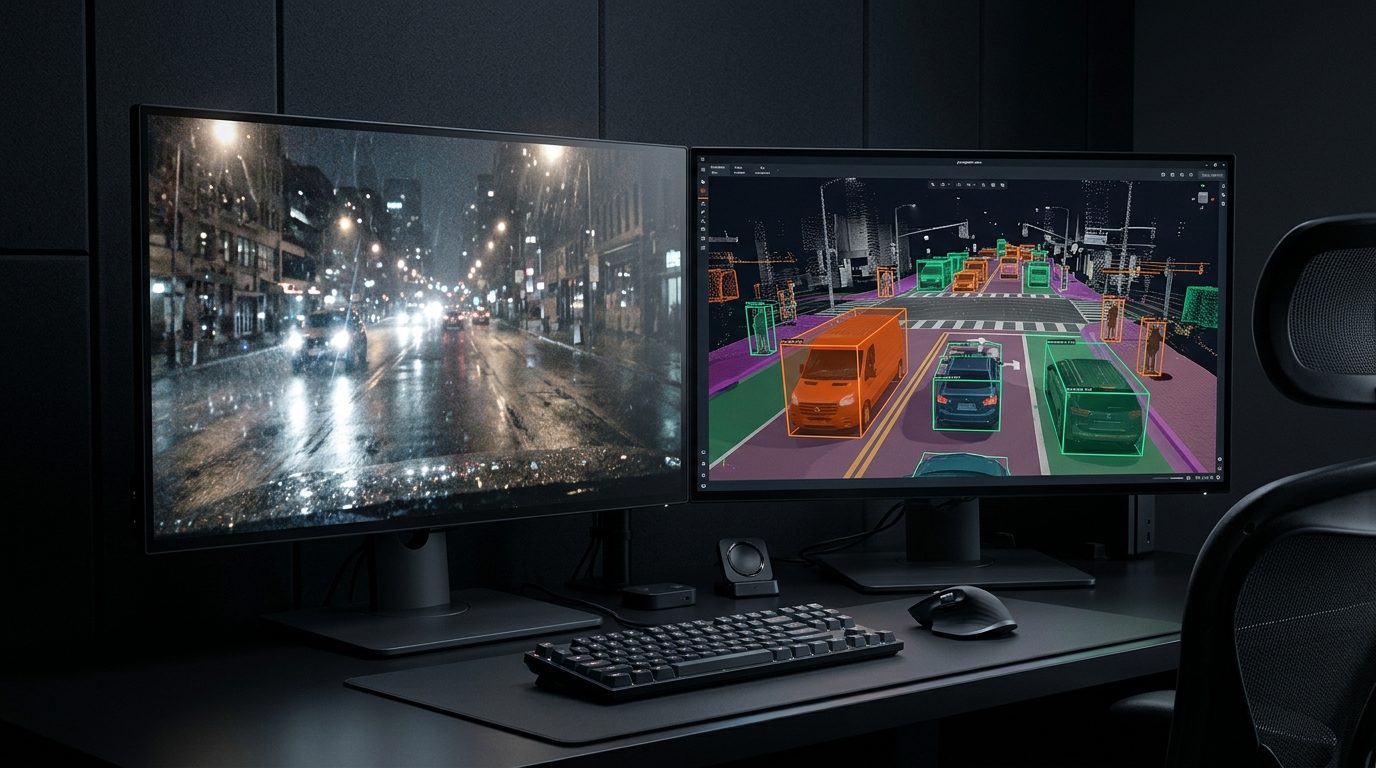
While multimodal datasets provide richer context than single-modality data, collecting and preparing them introduces three major operational hurdles: (1) Data Collection and Integration: synchronizing different data types from multiple sources (such as matching a video clip with its exact audio recording or connecting an image with its clinical text report); (2) High Processing Requirements, training models across combined modalities requires greater compute and structured formatting; and (3) Data Quality and Accuracy, blurry images, unclear audio, incorrect labels, or incomplete text can degrade cross-modal learning without rigorous cleaning, annotation, and validation.
Text Data: Articles, reports, messages, product descriptions, and social media posts
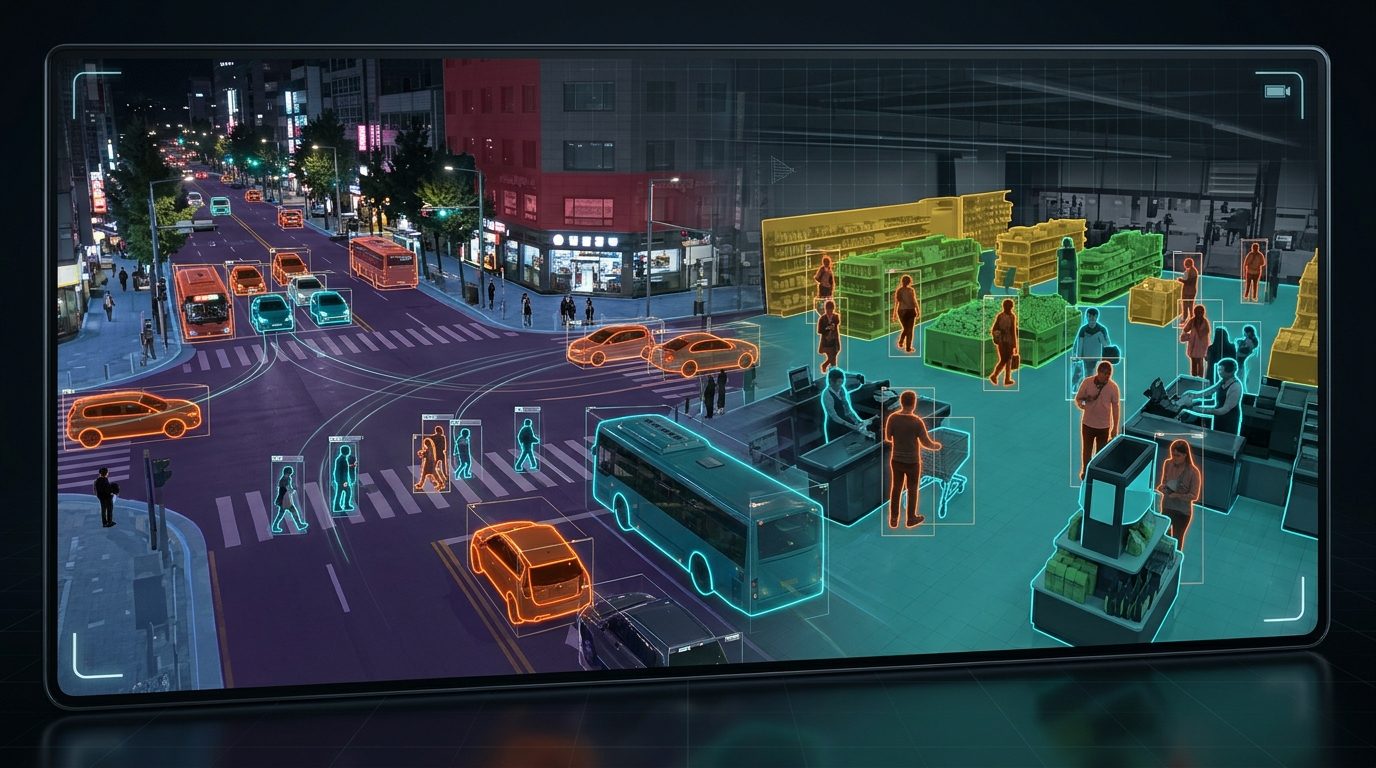
Image Data: Photographs, medical scans, product images, and satellite imagery
Audio Data: Voice recordings, conversations, music, environmental sounds, and speech samples
Video Data: Recorded activities, real-world events, human movements, and audio-synced clips
Sensor Data: GPS coordinates, camera feeds, radar, LiDAR, and patient monitoring devices
Core Benefits & Real-World Multimodal Applications
Better Understanding of Information: Combining modalities provides crucial context missed by single-source data: for example, pairing written medical reports with X-ray or MRI scans and patient sensor readings in healthcare.
More Natural Human Interaction: Multimodal AI handles voice, text and images together, allowing voice assistants and customer support bots to accept spoken questions, written messages, or product photos.
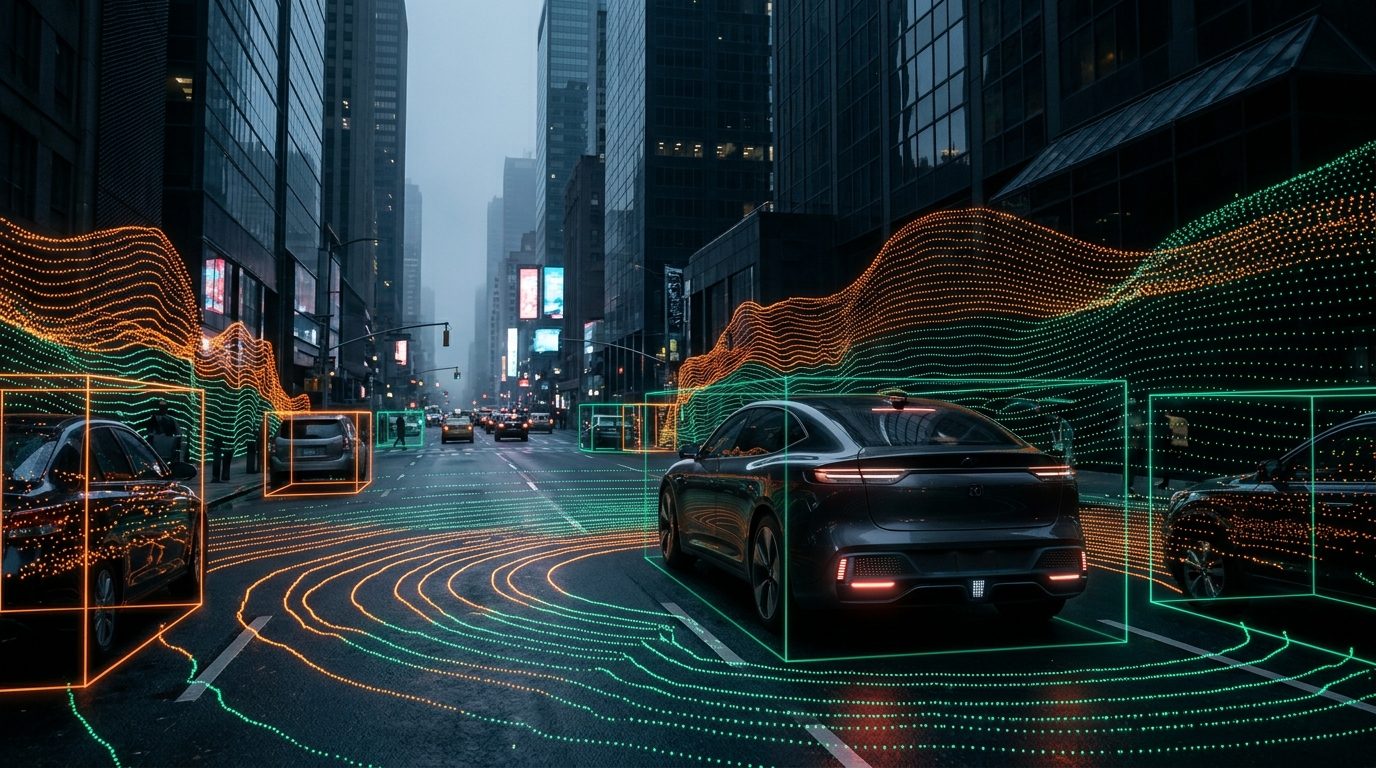
Improved AI Performance in Self-Driving Vehicles: Combining camera images, GPS, radar, and LiDAR sensors to detect vehicles, pedestrians, traffic signs, and road conditions simultaneously.
Cross-Platform Content & Social Media Monitoring: Analysing text, images, and videos together to identify harmful content, understand user activity, and recommend relevant media.
What Is the Future of Multimodal Datasets in AI?
Multimodal AI use is expanding rapidly across industries as systems handle more complex tasks. In Education, AI learning assistants combine written lessons, videos, voice instructions, and interactive exercises to create better learning experiences. In Entertainment, AI systems combine viewing and listening preferences to suggest movies, music, and content.
In Robotics, robots combine camera images, audio, and sensor data to navigate surroundings and perform physical tasks. In Transportation, combining camera, GPS, and sensor data improves traffic monitoring and smart infrastructure.
How DaQube.ai Supports Multimodal AI Development
Collecting information from different sources is only one part of the process: the data also needs to be organised, checked, and prepared according to the project's requirements. DaQube.ai supports AI development through data collection and dataset preparation across images, videos, audio, text, and documents, making cross-modal dataset preparation simpler and more organised.