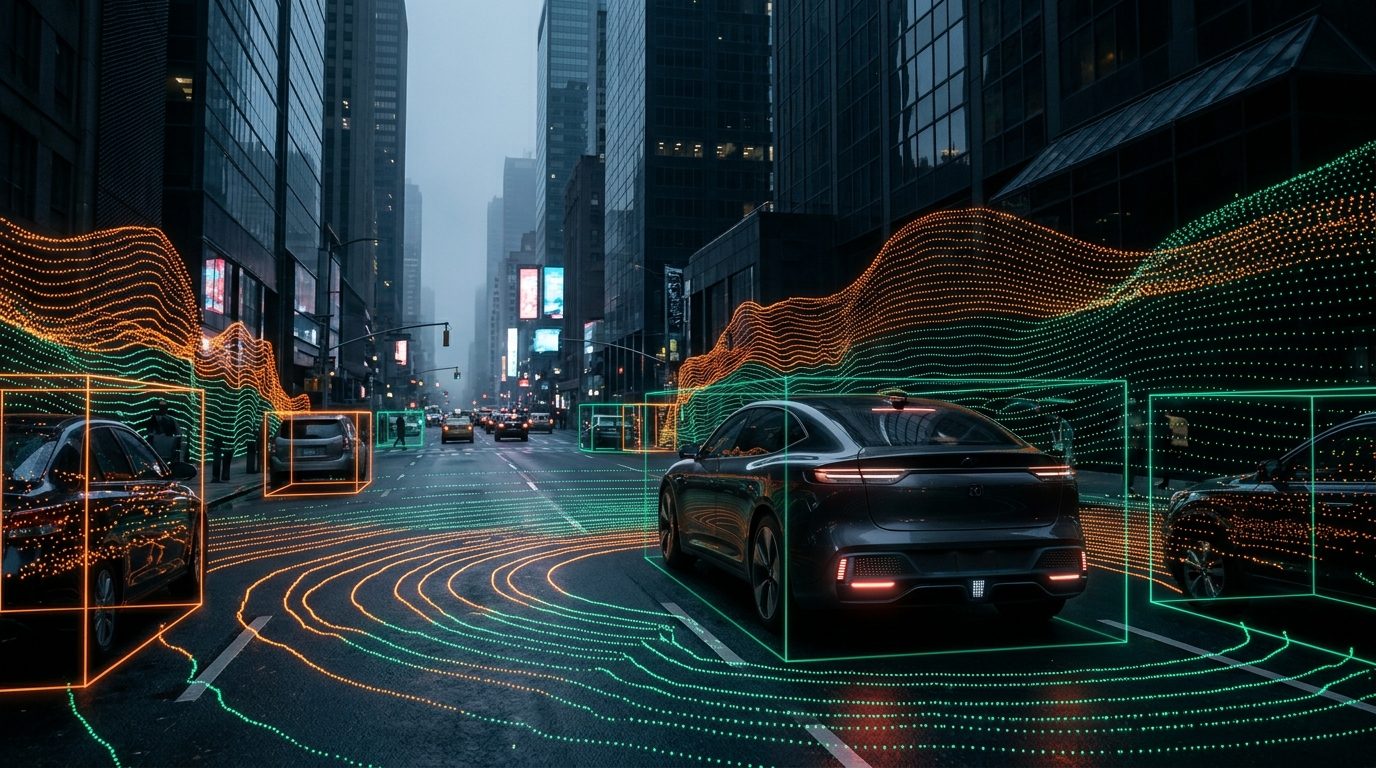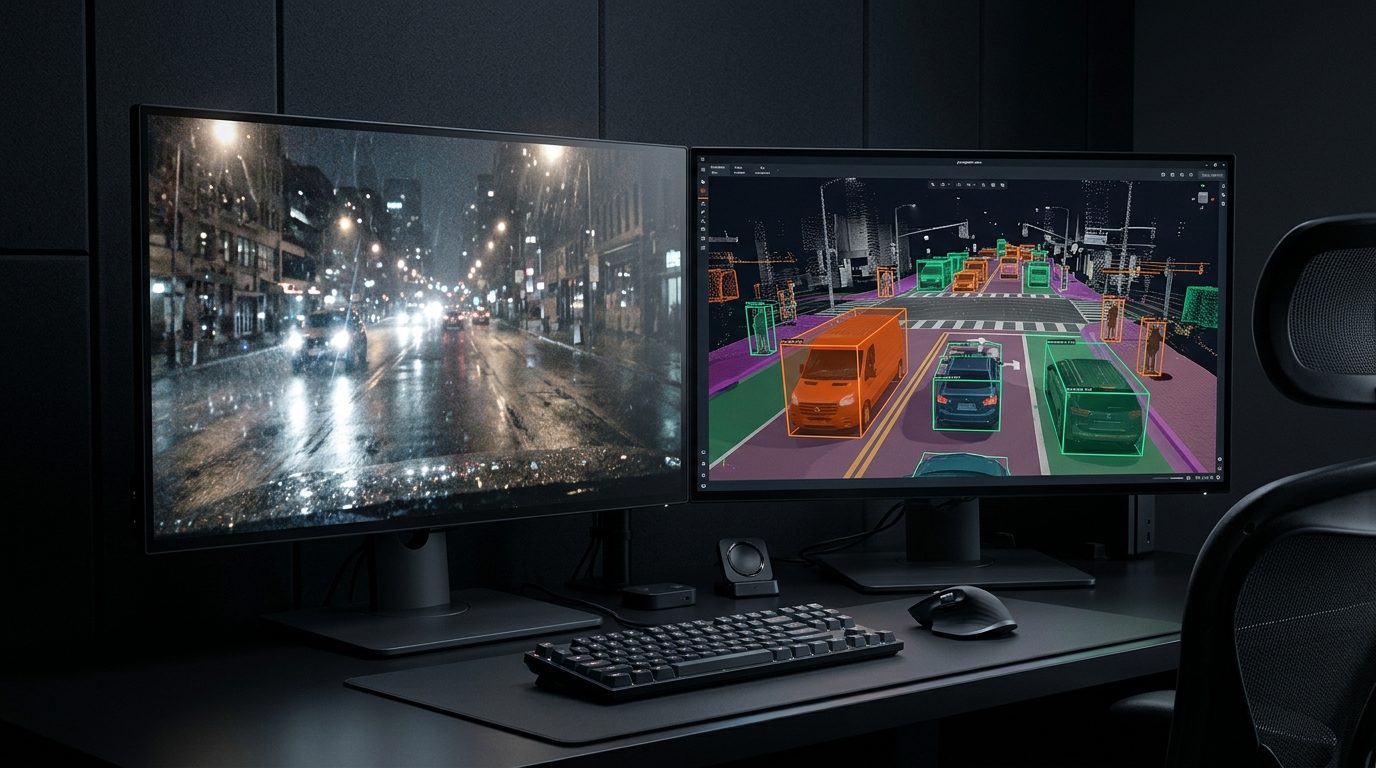
A person lifts a box, pauses, then sets it down. To recognize that sequence, a machine learning model needs more than a single static image: it needs examples of movement over time and structured labels that explain what is happening. Video datasets for human activity recognition bring those examples together: matching the exact actions, camera perspectives, and environmental conditions your model will encounter in deployment.
Why Dataset Fit & Negative Examples Matter in Video AI
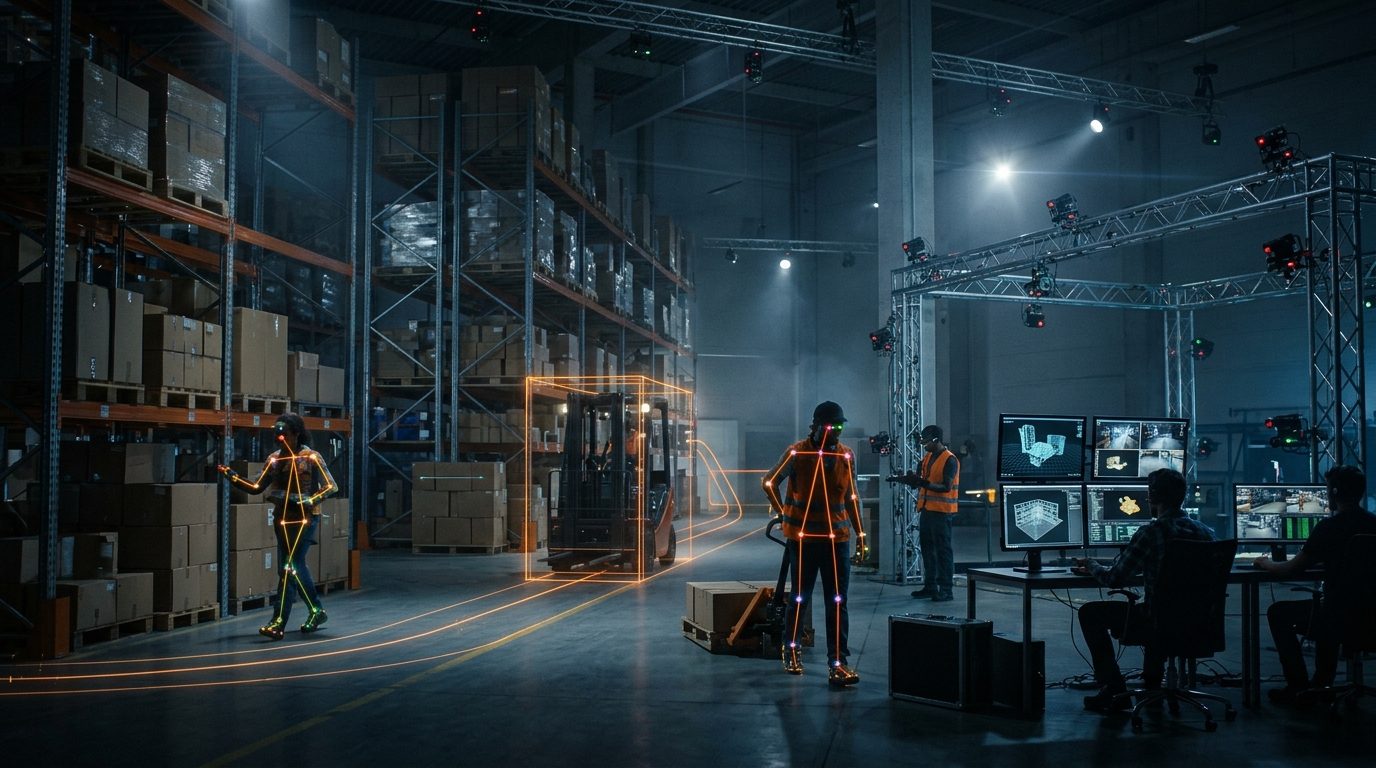
An action that looks obvious to a person can appear completely different to a model when the camera angle shifts or the view is partially blocked. Public video datasets rarely match specific deployment environments: for example, lifting a parcel in an industrial warehouse looks very different from lifting a small object at home. Models also fail without contrasting negative examples (such as bending down without lifting) and careful train/validation/test split grouping by participant or session to prevent data leakage.
Clip-Level Action Labels: Describing the primary activity across an entire short video segment
Temporal Action Localization: Marking exact start and end timestamps of actions within longer recordings
Spatial Person Tracks & Bounding Boxes: Identifying and following the specific person performing the action
Skeletal Pose Keypoints: Tracking body joint articulation and posture throughout the movement
Contrasting Negative Examples: Recording look-alike non-target motions (e.g., bending without lifting)
How Activity Recognition Videos Are Collected, Labeled & Protected
Collection Brief & Camera Spec Design: Define target actions, environments, participant variation, camera perspectives, clip duration, frame rate (FPS), resolution, and file format based on motion detail.
Annotation Guidelines & Pilot Calibration: Define what counts as an action, how to mark exact start/end timestamps, and how to handle overlapping or partially occluded movements: tested first via a short pilot.
Quality Assurance & Leakage-Free Splits: Review sampled clips, compare inter-annotator timestamp alignment, check class coverage, and group footage by participant or recording session across train/val/test splits.
Privacy, Consent & Usage Rights Governance: Establish informed participant consent, access controls, retention limits, and evaluate anonymization tradeoffs (such as face blurring vs. model utility) with legal advisers.
Where Can Human Activity Recognition Be Used?
Possible applications include Workplace Safety (identifying defined movements for review, such as heavy lifting or entering a restricted zone), Sports Analysis (classifying movements in training footage to support coaching and video review), and Assisted Living (exploring detection of events such as falls, with human oversight and safeguards appropriate to the setting).
Each application requires its own definition of success: a model used to assist a human reviewer should be evaluated differently from one used to trigger an automated alert.
Handling Privacy and Usage Rights in Video Collection
Video can identify people and reveal sensitive information. Before recording or acquiring footage, establish the appropriate permissions and legal basis, including participant consent where required. Techniques such as blurring may reduce some privacy risks, but they do not automatically make footage anonymous and can remove visual features useful to the model: always test the tradeoff for your specific use case.